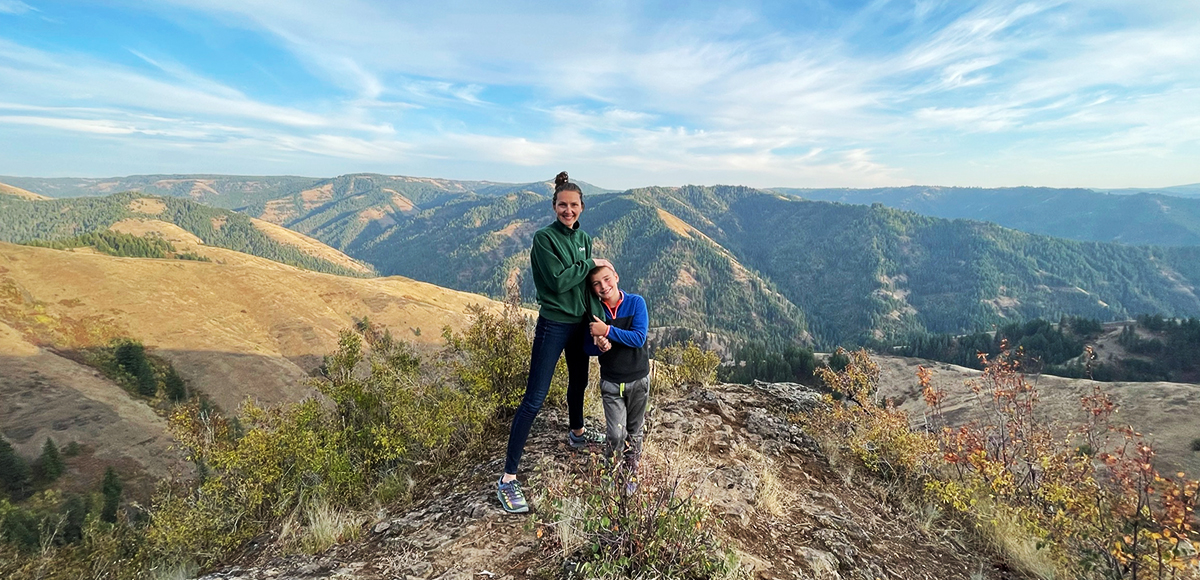
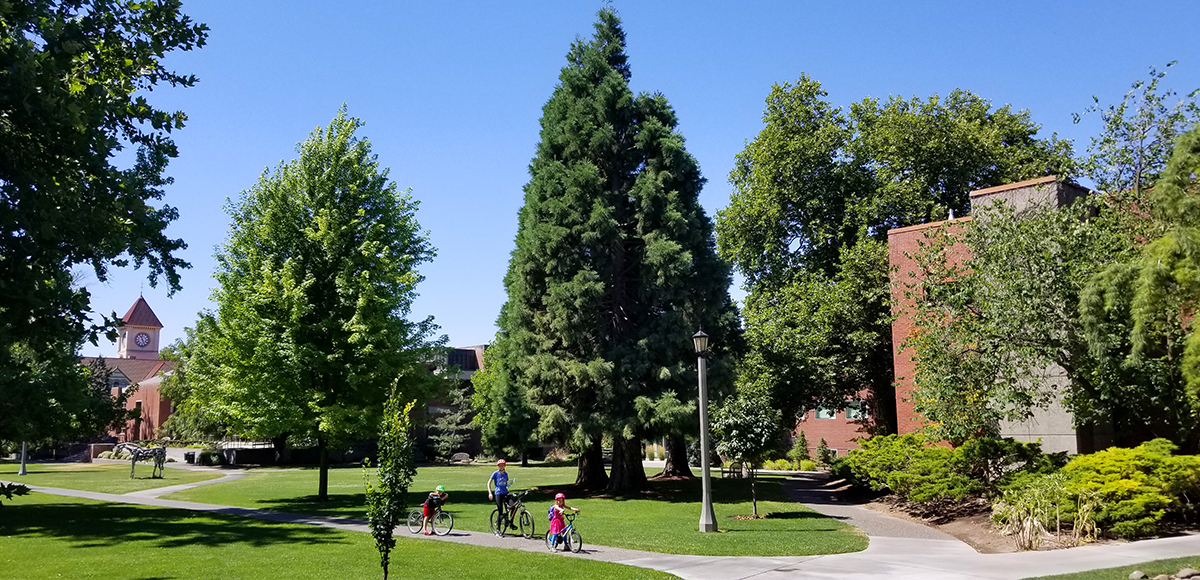
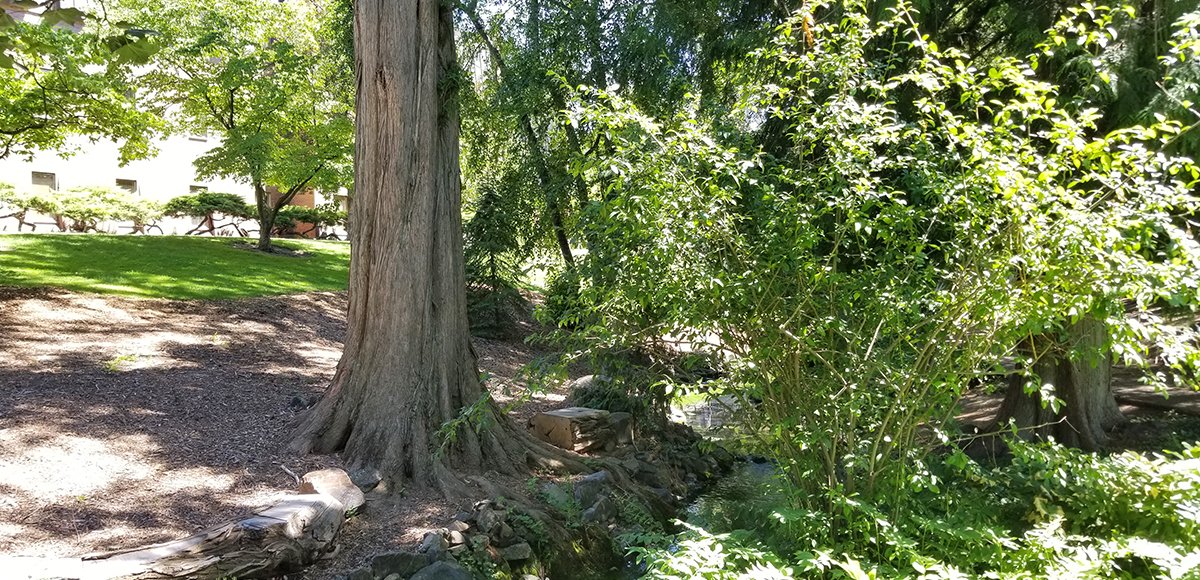
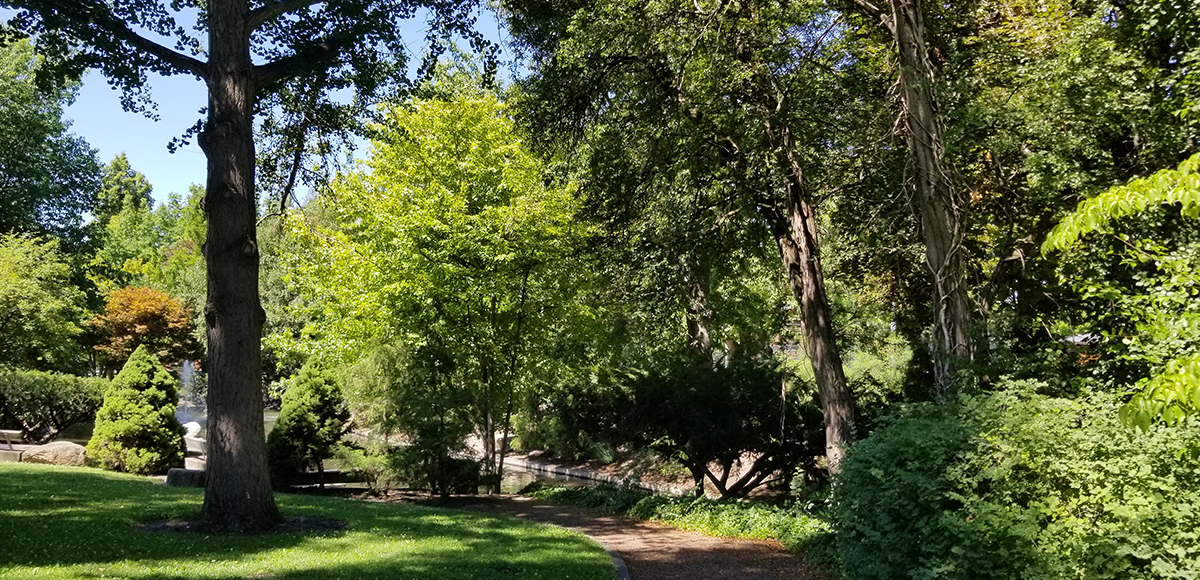
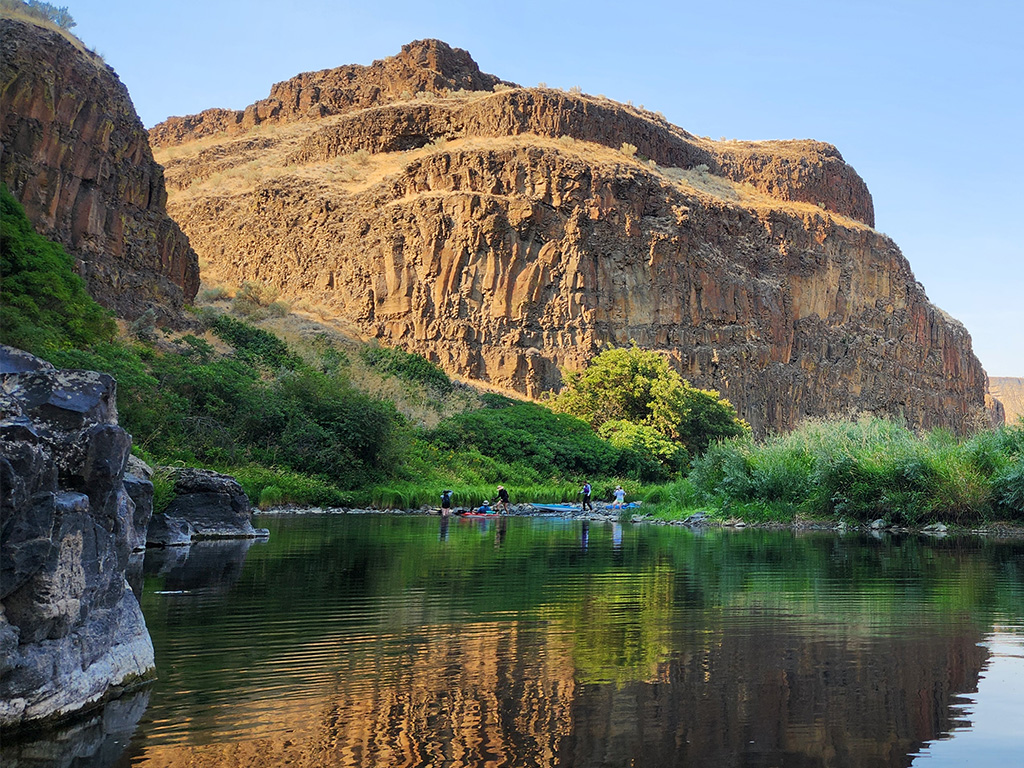
Eastern Washington is known for its unique geologic features formed by basaltic lava flows and massive glacial flooding. Looking down on the Walla Walla valley floor from the Blue Mountains, the rolling landscape extends as far as the eye can see. Contrasting this iconic site is a large patch of green denoting town. Under canopy, the people of Walla Walla enjoy a handful of very big trees.
Pioneer Park (City of Walla Walla Parks & Recreation); Whitman College (Property owned by college); and various neighborhoods around the City of Walla Walla
Permits:
None
Amenities:
At Pioneer Park there are two ADA restrooms, benches, and picnic tables scattered throughout. There are no public restrooms available in the neighborhoods.
Distance:
Within 1.5 Hours
Seasons:
Spring, Summer, Fall, Winter
Elevation:
942 feet
Pets:
Yes
Fees:
None
Land Manager:
Pioneer Park (City of Walla Walla Parks & Recreation); Whitman College (Property owned by college); and various neighborhoods around the City of Walla Walla
ADA:
Yes
Multi Use:
Yes
Motorized Vehicles:
No
Permits:
None
WHAT TO DO
Walking Path
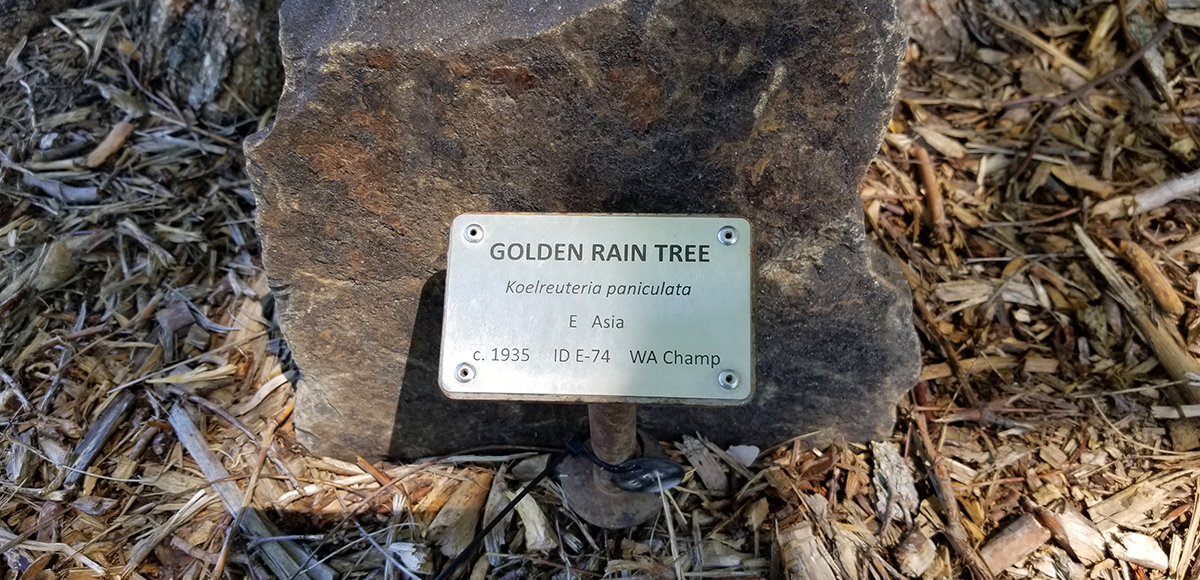
Stroll along the paths at Pioneer Park or follow the sidewalks through historic neighborhoods or take in the beauty of Whitman College. The big trees of Walla Walla are sprinkled throughout town. Some of these trees are the biggest of their kind in the state. Treat the adventure as a scavenger hunt with little ones or go all in and research and catalog your way through the guide. This is a wonderful activity to enjoy throughout the seasons. For detailed information, maps, and history of the big trees, utilize the A Walking Guide to the Big Trees of Walla Walla.
Cottonwood, birch, willow, and chokecherry are native species to the Walla Walla valley. Many non-native species were introduced at the turn of the 20th century, including exotics from Europe and...
Cottonwood, birch, willow, and chokecherry are native species to the Walla Walla valley. Many non-native species were introduced at the turn of the 20th century, including exotics from Europe and Asia. Finding these big trees on foot or bicycle is a breeze thanks to the Walking Guide to the Big Trees of Walla Walla.
Amenities
At Pioneer Park there are two ADA restrooms, benches, and picnic tables scattered throughout. There are no public restrooms available in the neighborhoods.
Regulations
Not all the routes are on public lands. Whitman College and through neighborhoods will take tree enthusiasts on or near private land. Please be respectful of this fact and leave no trace.
Wildlife Awareness We are all so fortunate to recreate in the Blue Mountains and Walla Walla Valley. So many opportunities exist to play outside, whether in a national forest, wilderness area, or on a Wild and Scenic River. With these opportunities comes great responsibility to appreciate that we are mere visitors and should all take pride in being good stewards of the wild.
Many animals call these protected places home, including moose, elk, bear, cougar, bobcat, and snakes to name a few. Take precautions to respect their home and understand the appropriate response should an encounter occur.
Additionally, many plant species thrive in the Blue Mountains, so staying on trail is always good practice.
Carry First Aid supplies to better respond to accidents or encounters, and always let others know where the day’s adventure is taking you.
Pets: In general, pets are allowed on a leash and under control throughout jurisdictions. The only restrictions we have encountered are around swimming areas. As a best practice, be mindful of riparian habitat in general. You never know where a precious spawning area might be located. Pack it in and pack it out applies to your furry friend as well.
Disclaimer: While the Outside Walla Walla team has enjoyed all the adventures listed on this site, we cannot provide real-time conditions & maintenance reports. Extreme weather can change access overnight. Volunteer groups might lose capacity to manage trail systems. We do our best to report that information and update our site accordingly, but please read our Disclaimer (footer) and proceed with any adventure as your comfort level allows.
WHEN TO GO
Is there a bad time to look at a tree? Study bare branches (if deciduous) in the winter. Enjoy the verdant colors of spring, and take shade under canopy in the summer. One of our favorite fall pastimes is grabbing...
Is there a bad time to look at a tree? Study bare branches (if deciduous) in the winter. Enjoy the verdant colors of spring, and take shade under canopy in the summer. One of our favorite fall pastimes is grabbing a cup of coffee or two from any number of local shops and watching vibrant red, orange, and yellow trees fall from above our heads and blanket the ground below.
Outside Walla Walla assumes no responsibility for the use of this website or the information provided. Every activity carries potential risks that should be assessed individually based on each person’s circumstances. By using the information, you acknowledge the foregoing and agree to release us from any liability arising from your use. We make no warranties, express or implied, of any kind regarding the operation of the website or the results you may obtain from using the content, information, materials, products, or services offered on the Outside Walla Walla website. Use of the Outside Walla Walla website is the sole responsibility of the user. In no event will we be liable for any direct, indirect, incidental, or consequential damages resulting from the use of this website or the information contained herein.
The Outside Walla Walla website contains links and advertisements to third-party websites. These links are provided for your convenience and do not imply that we endorse the content of those websites. We are not responsible for the content or accuracy of linked third-party websites, nor do we guarantee the accuracy or truthfulness of the information they contain. If you choose to access linked third-party websites, you do so at your own risk.