
CURRENT CONDITIONS
52° F

OUTSIDE WALLA WALLA
OUTSIDE WALLA WALLA
Activities
Share
By wonderboy
Activities
Welcome to Outside Walla Walla
Imagine a place where the landscape shifts, in the turn of a corner, from rich agricultural valleys—shaped by sediments left behind by ancient cataclysmic floods—to dense forests perched atop ridges carved by hundreds of creeks.
Imagine a place that truly embodies all four seasons, where crisp, white winters give way to spring hills draped in wildflowers, where iconic amber waves of grain mature under summer sun before yielding to the vibrant colors of fall.
Imagine a place where you can enjoy a locally sourced breakfast, gather picnic ingredients at the farmers market, raft a Wild and Scenic River, and still return in time to unwind with friends at the annual Chamber Music Festival downtown.
That place is Walla Walla, Washington—and we can’t wait to share it with you.
Outside Walla Walla was created with one goal in mind: to showcase the outdoor recreation opportunities of the Walla Walla valley and northern Blue Mountain region.
With more than a million acres of National Forest—spanning three wilderness areas across southeast Washington and northeast Oregon—the region offers endless possibilities to hike, bike, camp, fish, raft, and explore.
From families with small children to seasoned thrill seekers, there truly is something for everyone. Head north, head east—no matter the direction, the terrain surrounding Walla Walla is distinct and compelling, making it an incredible place to recreate.
Outside Walla Walla exists for the adventurous: a collection of tales from the wild and inspiration to spark your own outdoor story. No experience required. If this is your first time pedaling a trail or casting into a river, welcome—prepare to be amazed.
If you fell in love the first time you saw the sun rise over a field of balsamroot, welcome back—there are countless new memories waiting. And if you’ve hiked all 715 miles of trails in the Umatilla National Forest, fantastic—we hope to cross paths out there someday.
Welcome to Outside Walla Walla!
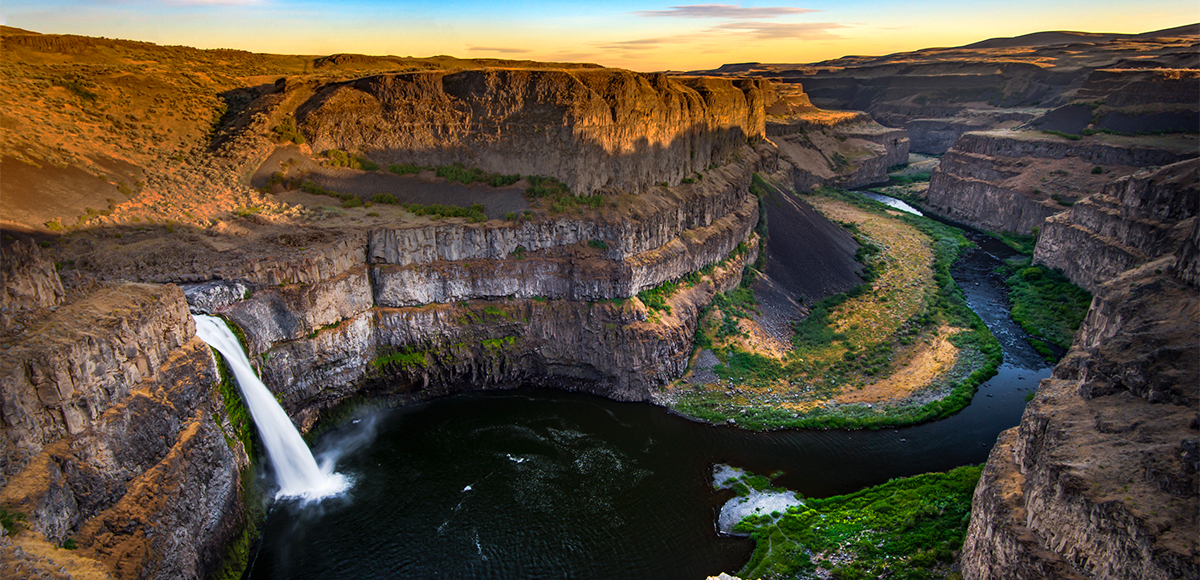
Thanks to a group of local, engaged elementary students, Palouse Falls is the official state waterfall of Washington. Dropping roughly 180 feet, Palouse Falls is a must see attraction. Yet another geologically interesting location, it is truly an impressive feature of the landscape. The park offers multiple views of the falls and many interpretive signs to enrich the experience.
Join us outside!
Outdoor recreation in the Blue Mountains
Hundreds of miles of trails; over a thousand miles of wild, uninterrupted rivers; soft, dry, waist-deep snow; and a few mountain lakes await locals and visitors alike. There’s a wide variety of activities for every season.
Outside Walla Walla focuses on providing firsthand information about the northern Blue Mountains region and all the opportunities available for hiking, biking, camping, fishing, water sports, snow sports, and more.
Hopefully, along the way, we can all learn more about our natural world and ways to enjoy the wild, while keeping it that way.
We hope you’ll take some time to explore our site. As our catalog of activities grows, we trust you’ll find something new and inspiring with every click.
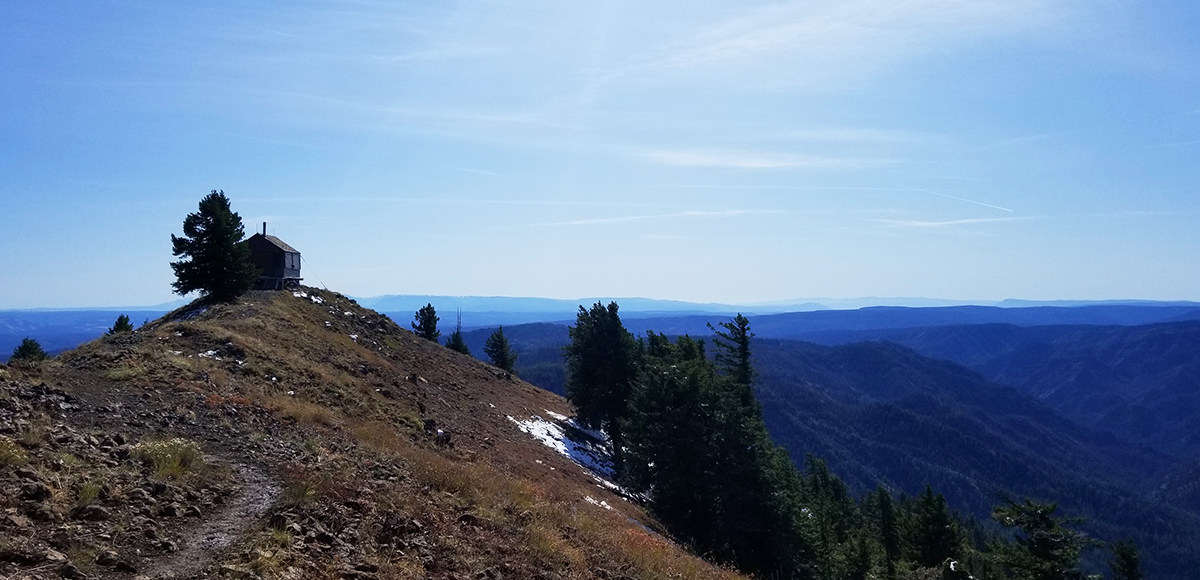
Oregon Butte Lookout (Photo Credit: Steve Dildine)
Atop the highest point in southeast Washington at Oregon Butte Lookout, take in panoramic views that includes the Wallowa Mountains of Oregon, Seven Devils of the Idaho Rockies, and maybe even a volcano to the west.
Local Outfitters, Groups & Organizations Support Adventure
The Walla Walla Valley is an amazing place to raise a family, retire, or lay down roots in general; after all, we have that magnificent cataclysmic soil.
Even for locals, the area offers countless adventure firsts. After two decades in the valley, we admit we feel like we haven’t even begun to explore all it has to offer.
Outside Walla Walla is for everyone. It’s a place for locals who are constantly asking themselves, “Where can I go hiking around here?” or “Can I bike in a wilderness area?” (no, by the way) to discover all our local treasures. It’s also a place for tourists to spend a few extra days.
Local outfitters offer everything from bike rentals (on and off road) to raft rentals. Some offer classes to get you started or provide guided trips. These folks will also likely mention local clubs or groups if interested in a more community experience
Take advantage of Whitman College’s outdoor program, offering supplies and equipment for every possible adventure—they rent to the public.
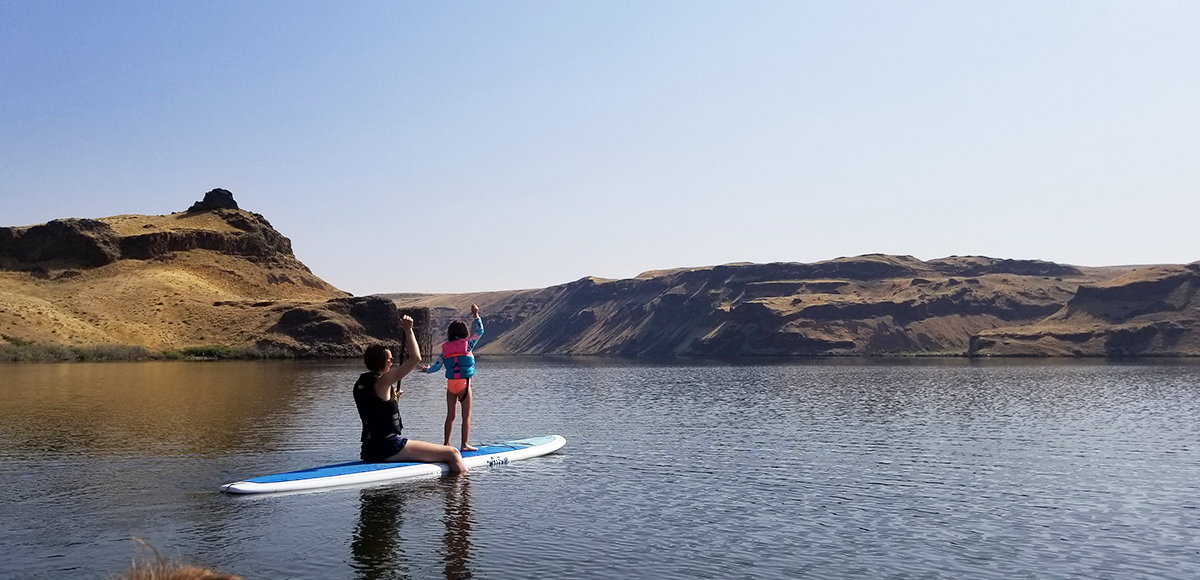
Lyons Ferry State Park (Photo Credit: Steve Dildine)
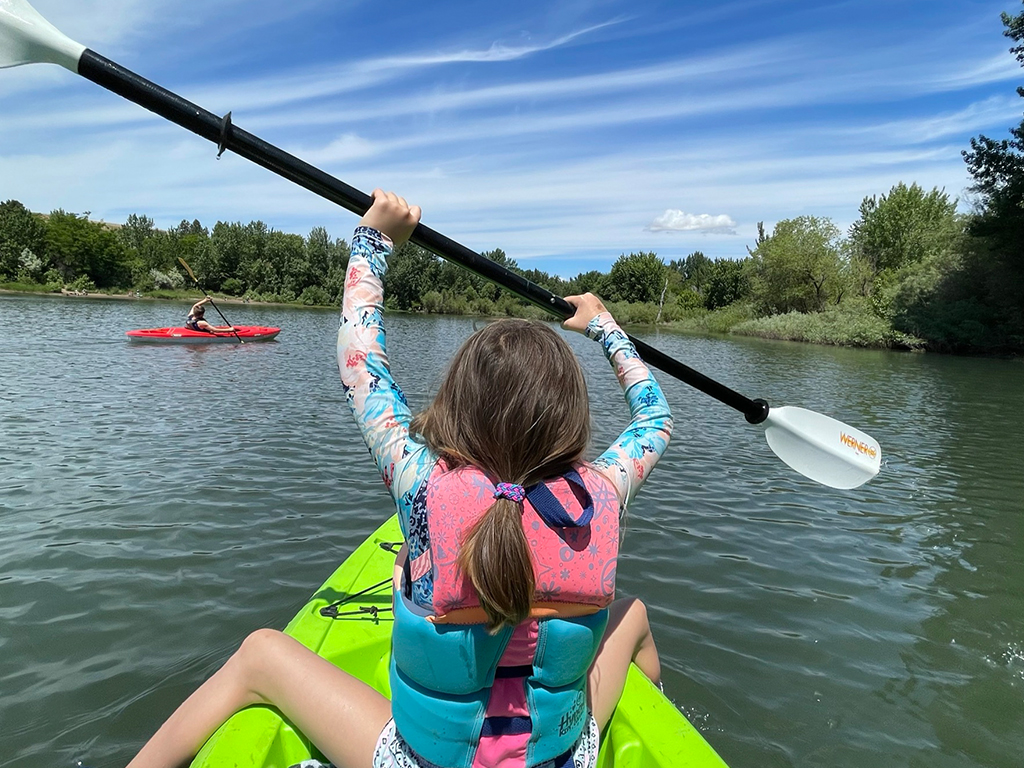
Rent a kayak or paddleboard to get out on the river. Adventure Fit is a local outfitter that can facilitate all sorts of water fun. Follow our Events page for organized events, including those hosted by Adventure Fit as well as other local outfitters.
Visit Walla Walla
Wine, check. Wheat, check. Onions, check. Hiking, biking, fishing, rafting, who knew? Walla Walla is an exceptional home base to explore vast arrays of terrain and engage in a whole host of outdoor activities. Agriculture definitely put us on the map, but the town has evolved into a wonderfully welcoming, flat-out fun place to spend a weekend.
Consider adding outdoor recreation to the weekend plans as many activities are within two scenic hours of town. Since it is already a destination location, Walla Walla has many opportunities available at various price points for lodging, dining, and shopping.
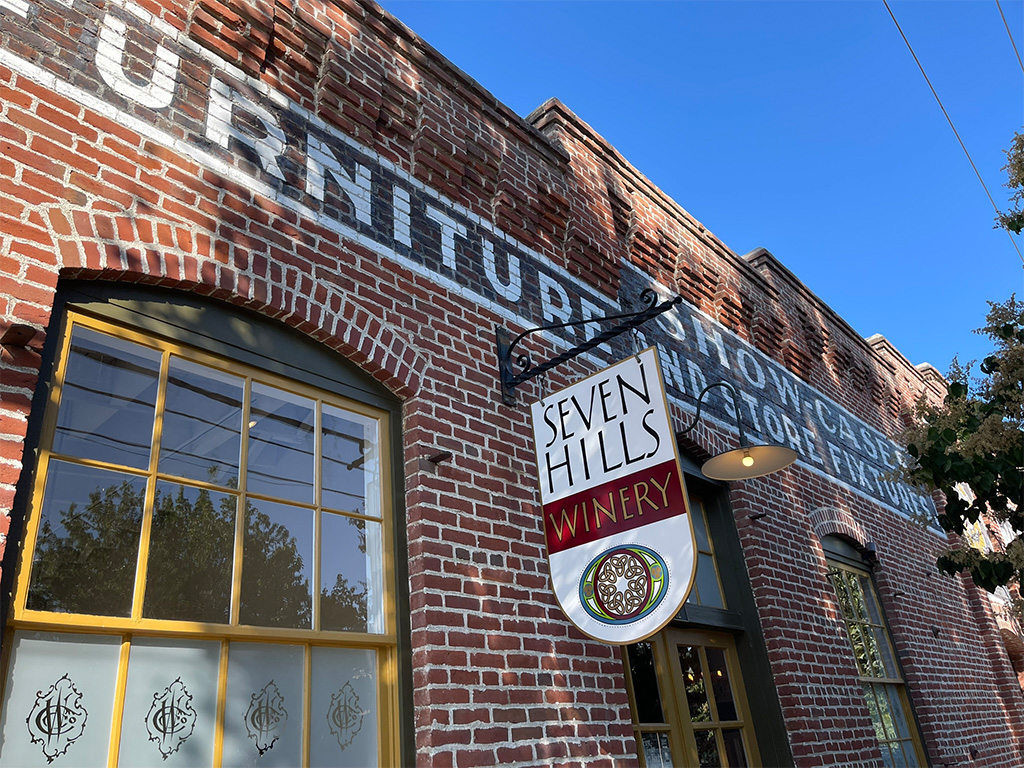
Its historic downtown is easy on the eye, and its local cuisine is even better on the tummy. After a hike in the Umatilla National Forest, enjoy live music at any number of venues. Follow up a morning fly fishing lesson with some wine tasting.
You’ve made it this far; you might as well drink the juice. Burn a few calories on the bike ride? Freshly crafted desserts await.
Visiting Walla Walla has never been easier. Multiple daily flights from Seattle make the journey pretty accessible for folks making the trek from afar. It is also a scenic drive from all the surrounding larger cities (Seattle, Portland, Boise, and Spokane) and only takes a few hours.
Small towns, big adventures
Walla Walla is worth repeat visits. There is so much to do and see. It is a gateway city that leads to so many great finds. Heading up the mountain or winding through the wheat fields, there are numerous sweet little towns to stop and visit.
Though the goal is to find a great outdoor adventure, it really wouldn’t be a complete story without a few stops along the way.
Strike up a conversation with the locals—likely they have great tips on area places to visit: where the barn owl was last seen, the trail conditions, where the fishing honey hole is. Who are we kidding—no one is going to tell you their fishing spot.
Stick with the birders; they will talk.
Here are a few towns of interest, although by no means a complete list:
Dayton, Washington
Located just 40 miles northeast of Walla Walla, Dayton serves as the gateway to many outdoor adventures in the Blue Mountain region. The city’s now Main Street was reportedly once a Native American racetrack. In the late 1880s and early 1900s the fertile soil attracted settlers, and growing barley quickly led to numerous breweries and saloons.
This town’s edgy beginnings definitely have a story to tell, and many historic sites, including the oldest standing train depot in the state, offer tours and events throughout the year.
After you pick up a few pastries and the morning coffee at Moose Creek Cafe & Bakery or Locally Nourished, you are calorically ready to hit the trails. Many are accessed via the North Touchet Road, which is located on the east end of town. This is also the road to Ski Bluewood, the regional ski resort.
Another local spot providing access to one of three wilderness areas is just down Highway 12 past Dayton on Tucannon Road. Providing access to the Wenaha-Tucannon Wilderness Area, there are multiple places to camp, fish, and hike.
Once you’ve worn yourself out hiking the ridge-lines or maneuvering the current all day in hopes of catching the big one, don’t forget to stop by Blue Mountain Station, an artisan food center, to pick up local honey, homemade candy, have a bite to eat, or pick up some beans for the coffee pot when you get home, a reminder of how awesome your trip to southeast Washington was.
Waitsburg, Washington
Another small town rich with tradition and history is Waitsburg. Along the Lewis and Clark Trail, Waitsburg still enjoys the same railroad, newspaper, and Territorial Charter that it did when the city first began.
One community event that might be of interest to outdoor enthusiasts is Swim the Snake. An annual event held in August, Swim the Snake offers paddleboarders, kayakers, and swimmers the chance to cross the Snake River with plenty of support and encouragement.
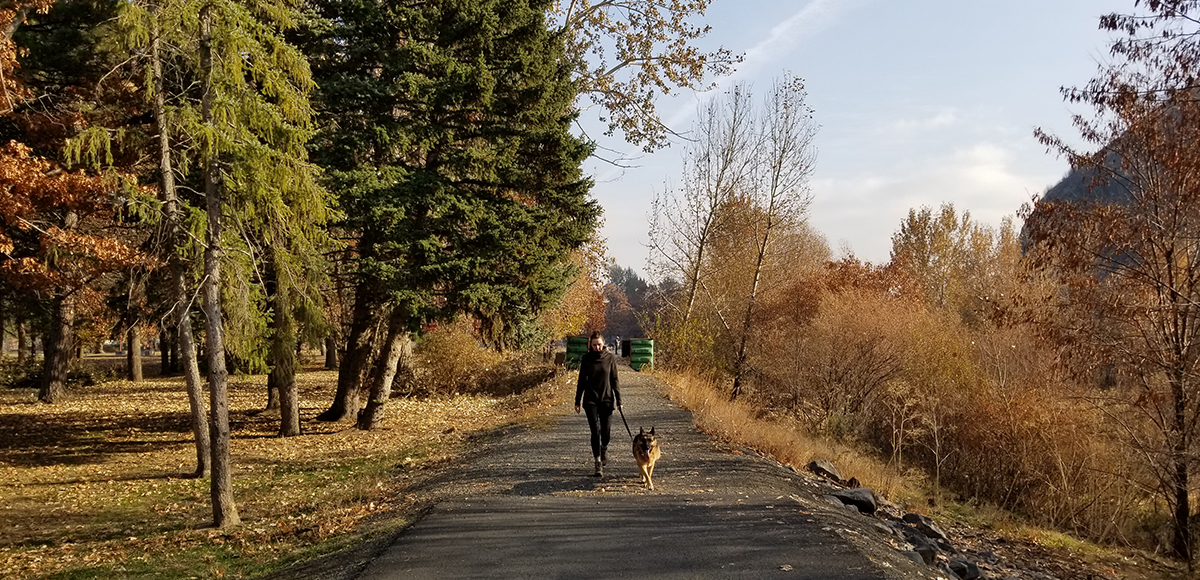
Touchet River Levee Trail (Photo Credit: Steve Dildine)
Take a stroll along the Touchet River in historic Dayton, Washington. This path checks several boxes on anyone’s recreation wish list. It is family friendly, easy to access, near playgrounds, features art, and hugs the river. Another great perk of this path is that it connects to Main Street, so grab a bite and get shopping.
Visita Walla Walla
Milton-Freewater, Oregon
Heading south to explore more of the Umatilla National Forest or access Harris Park, visit Milton-Freewater, a sweet town with a big heart. Known locally for its abundance of orchards, this town takes advantage of its extremely fertile soil.
Whether it is peaches or cherries, or you-pick blueberries, or perhaps even apples turned into scrumptious cider, filling a picnic basket with fresh, healthy items is easy to do in this town.
Check out the farmers market on Wednesdays during the summer. There are a number of fruit stands in the area as well.
If you need a break from the mountains or decided you’ve hit your max number of switchbacks for the afternoon, check out Blue Mountain Cider and learn about the third-generation apple growers.
Your trip to Milton-Freewater would not be complete without a visit to Saager’s Shoe Shop. Their selection of shoes from work to play is exquisite. Keen, Chaco, Birkenstock—you name it; they have it.
Their small town charm and multi-generation business is refreshing. Quality and customer service is definitely a priority, and they even employ a cobbler to keep your favorite kicks kicking.
Pendleton, Oregon
Whether you want to experience the west, eat west-coast size steaks, or dress like a cowboy for a few days, Pendleton needs to be on the to-do list. Providing an excellent stop-over for visitors or a pit-stop for locals, Pendleton is also the gateway to travels further south into the Blue Mountain region.
Known for the Round-Up, Woolen Mills, and underground tour just to name a few attractions, Pendleton’s historic downtown, with the Umatilla River running through the heart of town, could derail any plans to get outside in a timely fashion.
Also of note, the Tamastslikt Cultural Institute celebrates the traditions of the Cayuse, Umatilla, and Walla Walla tribes and is an exceptional way to foster a deeper understanding of the region, both its people and the land.
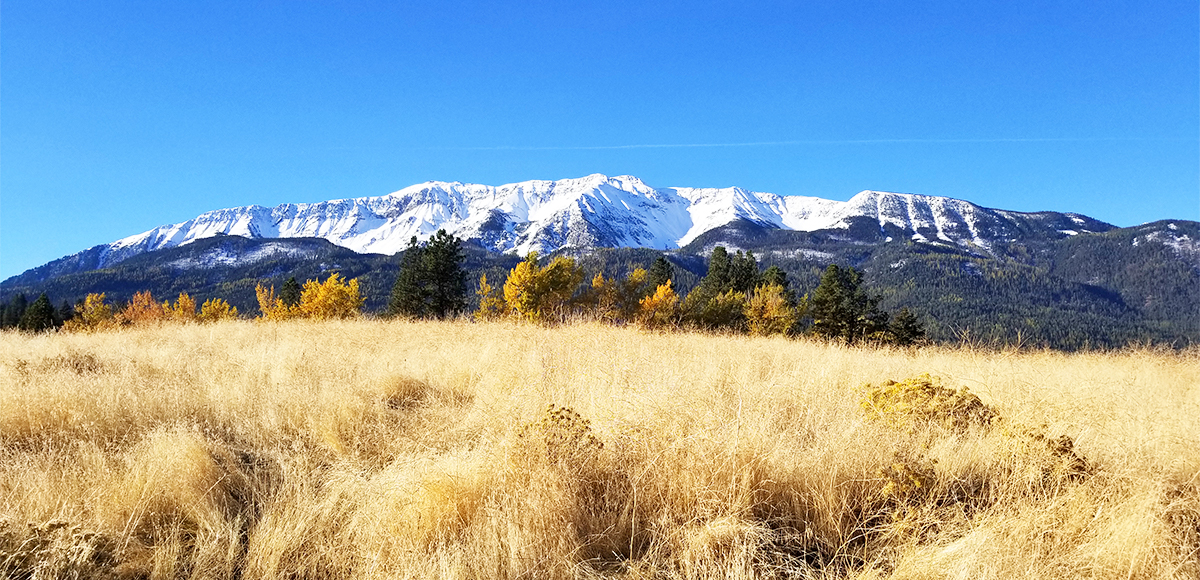
Wallowa Mountains (Photo Credit: Gwen Dildine)
The Wallowa Mountains in the Eagle Cap Wilderness Area are the crown of the Blue Mountain region, with peaks reaching over 9,000 feet. If hiking that far isn’t in the travel plans, but you really want to see one of the best views in the country, consider taking a ride up the Wallowa Lake Tramway. You’ll gain 3,700 feet of elevation in roughly 15 minutes. Trails at the top of Mount Howard treat visitors to absolutely breathtaking views.
Visita Walla Walla
Drive to Joseph, Oregon or bust!
There are few better ways to enjoy two hours in the car than the drive to Joseph, Oregon. As part of the Hells Canyon Scenic Byway, the landscape is simply remarkable. On the ascent through agricultural lands and sagebrush, the road enters the Umatilla National Forest and winds through the trees and eventually drops down into the town of Elgin.
Catch the Eagle Cap Train and choose between any number of uniquely themed rides starting in May and running through October. I would call it a once in a lifetime experience, but truly you will want to go again.
The road then descends into the canyon bottom and parallels the Minam River to its confluence with the Wallowa River. That spot, at Minam Store, is an excellent jumping off point for a majority of the river access in the area.
Continuing on to the town of Wallowa, the sense of remote and wild is increasingly enhanced. The Wallowa Mountains are to the south. At this point opportunities to check out a trail become more frequent.
Just a few miles down the road is the town of Lostine, and if more remote camping and hiking appeal to you, simply follow the Lostine River Road up into the Wallowa-Whitman National Forest and enjoy the fast moving river and an evening or two under the stars. This well-maintained gravel road also offers access into the Eagle Cap Wilderness area via an intricate system of connecting trails.
The next two towns are the larger metropolises of the drive: Enterprise and Joseph. Both offer plenty of unique shopping opportunities as well as dining experiences sure to satisfy the calorie burn from a day in the mountains. One of Oregon’s 7 Wonders, this area is rich with history, enjoys a prolific art culture, and is home to the best cup of hot chocolate in the world.
There are so many ways for folks of all ages and abilities to engage with the natural world in the area. The Wallowa Lake Gondola, for example, is a thrilling way to summit Mt. Howard and hike a relatively easy loop or connect into a longer, more difficult trail system. Enjoy the lake thanks to moraines formed by glaciers and time on a paddleboard or kayak, or hang out and fish the kokanee and trout.
Our Towns
Like all the small towns noted, it is absolutely worth the longer travel time or extra day of vacation to support local restaurants, shops, museums, various attractions, and at the heart of it learn about a new place and the people who call it home.
As part of Outside Walla Walla’s mission to showcase outdoor recreation in the Blues, highlighting those who make it possible is also integral. If you are a local like myself who is constantly amazed by all our area has to offer, join me in finding these places.
If you have ventured from afar, please enjoy our special places. There are so many opportunities to get outside, and Outside Walla Walla can’t wait to show them to you.
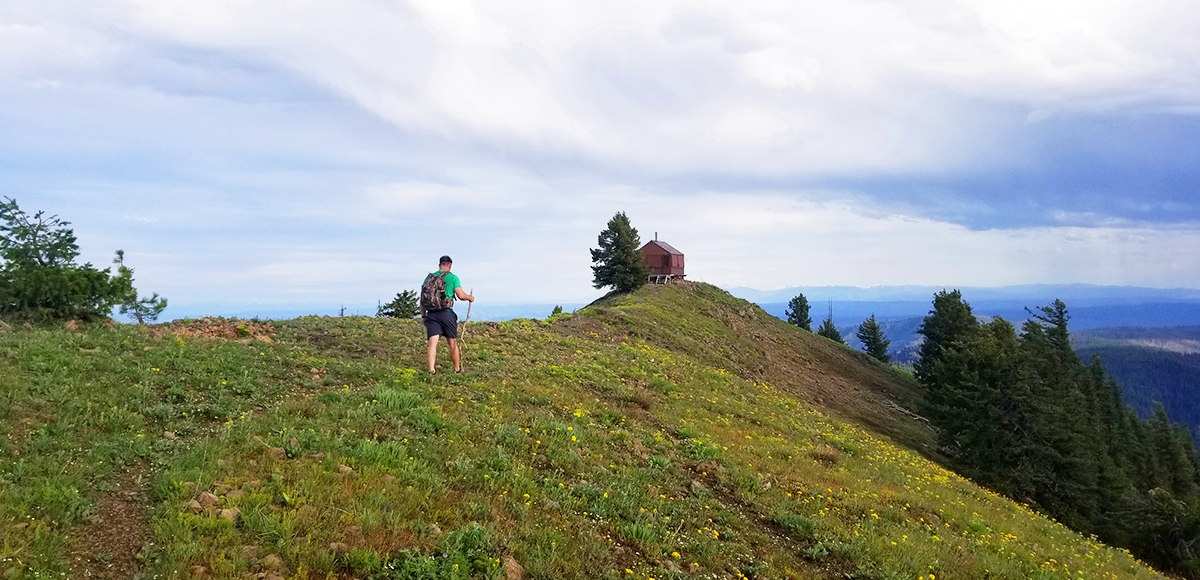

Hiking in the Blue Mountains
With 715 miles of trails in the Umatilla National Forest and 2,700 miles in the Wallowa-Whitman National Forest, hiking opportunities are plentiful. These two forests account for approximately 3.3 million acres of public lands across Washington, Oregon, and Idaho.
Ranging in elevation from a few hundred feet to 9,845 feet in the Eagle Cap Wilderness Area in the Wallowa-Whitman National Forest, the hiking experience varies as much as the elevation. Bring the whole family on a riverside stroll or pack it in for a long weekend. No matter the distance covered packs scenic vistas and magnificent displays of the intricate and complex workings of geologic time.
Protected by the Cascade and Rocky Mountains, the climate allows for an extended hiking season. Dodging the wet, marine air from the west and cold, Arctic air from the east, it is not unheard of to get a hike in each month of the year.
Hiking through the seasons also means different looks at the same terrain—rivers bulge with winter snow melt as trees bud and blossom, which, in the blink of an eye, turns to trickling creeks and fall foliage.
Rocky Mountain elk, cougar, mule deer, moose, black bear, beaver, and coyote are just a few mammals that call this area home, along with countless other bird species, fish, and reptiles.
Always practice good trail etiquette by taking precautions to protect yourself and animals from surprise meetings—let folks know where you are hiking, hike with a friend, carry bear spray, and make noise to alarm animals of your presence. Also be mindful of the season as some animals are more aggressive and or protective depending on the time of year. As the saying goes, take only memories—leave only footprints.
Explore our growing catalog of ideas about where to go. There is an intricate web of trails in the Blue Mountains, and some trails are maintained more often than others. We’ll do our best to describe what to expect and offer photographs of the area. We only publish posts of activities that we have done ourselves.
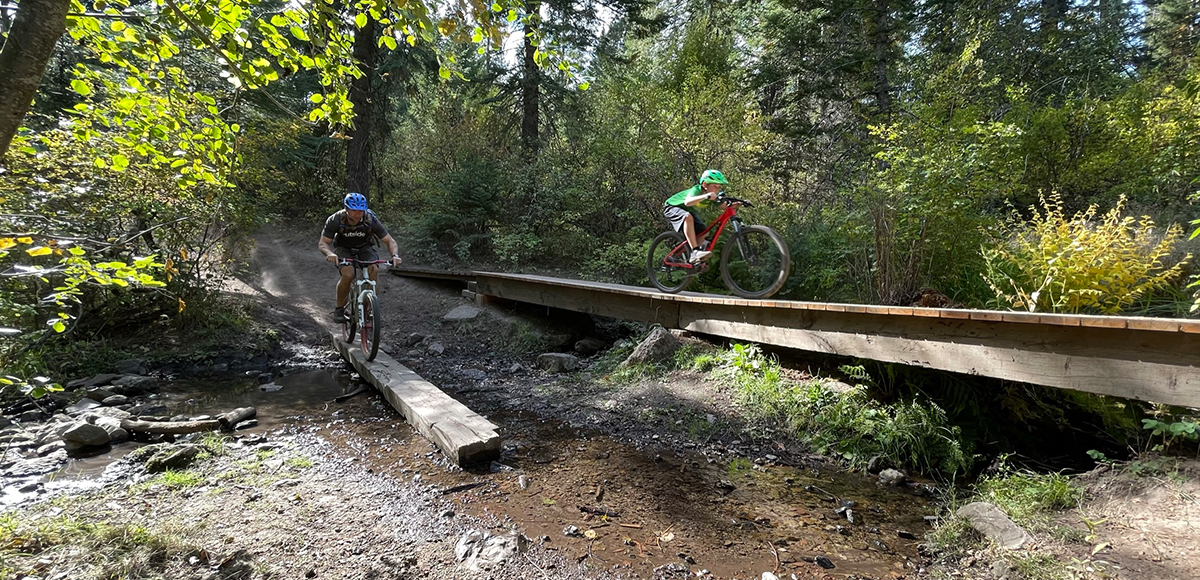
Two Wheelin’ Walla Walla
On a bike is a great way to experience the valley, as well as go the distance in the mountains. Walla Walla and surrounding towns are quite supportive of the sport of cycling, and lots of folks have really great ideas about how to expand and enhance road route opportunities.
There are also a decent number of trail options for mountain bikers. Unless you are a seasoned ultra-marathon runner, it can be challenging to reach certain coveted vistas, and a mountain bike is a great way to marry the thrill of the ride with the serenity of the place.
Check out our growing catalog of mountain bike and road & gravel cycling opportunities highlighting all the wonderful ways to experience the valley and mountains.
Mountain Biking in the Blue Mountains
With so many well-maintained roads leading into and around the mountains, there are a variety of ways via roads and trails to create a mountain biking adventure. This is definitely a sport for those who know the mountains; otherwise, stick to marked routes or out and backs.
Spend a few summers gaining confidence and endurance–the effort will pay off. Leave town on an early summer morning, climb into the foothills, ride a forest service road along the ridge, enjoy magnificent views, and then drop back down into the valley as the sun sets. If only it were that easy, but if it was it wouldn’t be mountain biking.
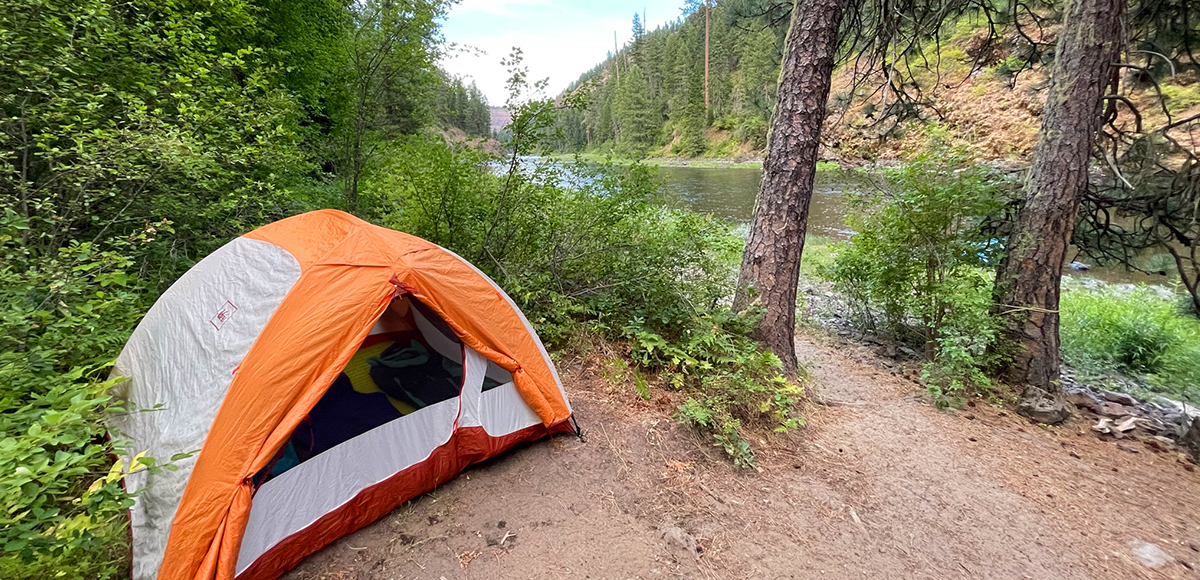
Camping in the Blue Mountains
There are several options when it comes to camping in the Blue Mountains. With 1.4 million acres in the Umatilla National Forest and 2.3 million acres in the Wallowa-Whitman National Forest, that is approximately 5,781 square miles.
For reference, that is the size of Connecticut and Rhode Island combined. To say there are a few camping opportunities in the Blue Mountains would be an understatement.
Campgrounds with camp hosts are sprinkled throughout the area. More remote campgrounds with only a handful of sites and limited facilities give campers a primitive experience. Dispersed camping is a popular option and affords users the opportunity to really get away from it all in a mindful manner to the environment.
Conversely, many campgrounds can accommodate recreational vehicles for a few added comforts and conveniences. Cabins are also available for rent and managed by the Forest Service. No matter your definition of shelter, the Blue Mountains make a pretty wonderful place to call home for a night or two.
With approximately 90 campgrounds to choose from in just the National Forests alone, that is a lot of camping to exhaust all the possibilities. Campgrounds typically have the basics—toilets, picnic tables, and a relatively level spot to set up camp.
Temperatures can vary quite a bit regardless of the time of year, so always pack something warm. We spent a night near Ski Bluewood in July when the valley was over 100 degrees, and we woke up to frost on the tent.
On our return trip to town, the temperature variance from the mountains to town was an impressive 70 degrees. Point being, head to the mountains for a quick reprieve from heat, work, the city, and any number of stressors–let nature work her calming magic.
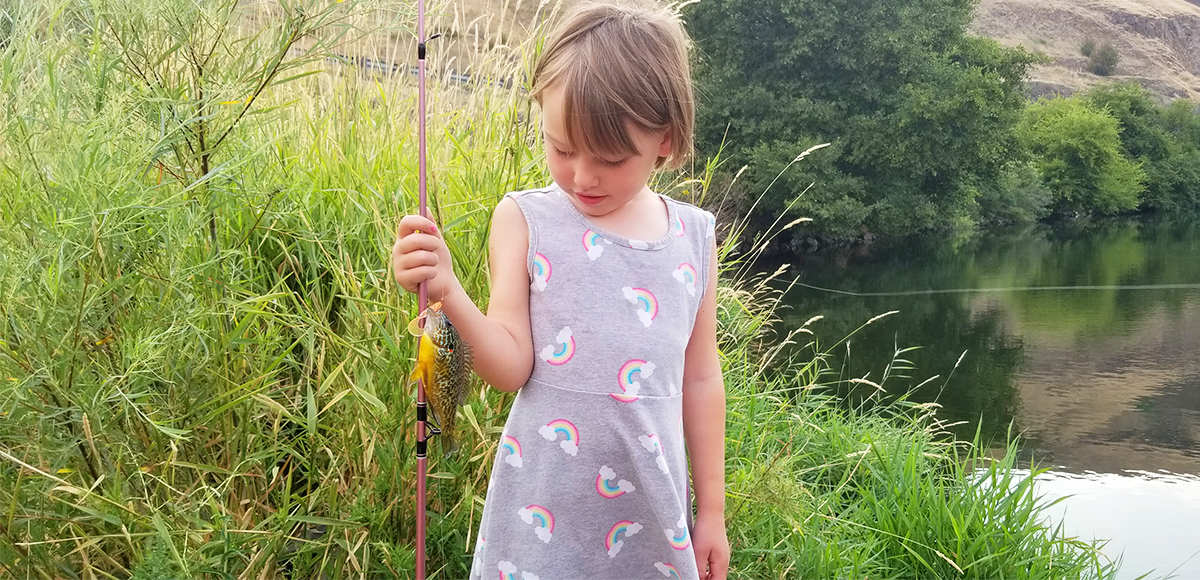
Fishing in the Walla Walla Valley & the Blue Mountains
Breathtaking rivers and streams, numerous ponds, a mountain lake or two, and a reservoir offer a number of different fishing experiences in the Blue Mountain region.
From seasoned fly-fisherman to first-time casters, there is something for everyone at any experience level. The iconic salmon and steelhead species make the arduous trek inland to a number of our area rivers and streams that are identified spawning grounds.
Other species common to the area include redband trout, rainbow trout, walleye, catfish, smallmouth bass, lake trout, and kokanee to name a few.
New to the area or sport? Many ponds are stocked and can provide a day of outdoor fun and excitement. There are also a few folks in the area who would love to show you how to take the plunge.
Guided trips are an awesome way to expand upon your knowledge of the sport and push your comfort level, and a number of local groups and organizations run programs to introduce new anglers to the sport.
As the place of many waters, Walla Walla’s connection with this invaluable resource and the species that thrive in its flows has shaped its history and continues to influence the area today.
Fishing Access in the Walla Walla Valley
Outside Walla Walla wouldn’t dare out anyone’s honey hole. In doing research about where to take our kids, we were both surprised and excited to learn about the many opportunities that exist to fish in the Walla Walla valley.
Many of these opportunities are provided by the US Army Corps of Engineers and Washington Department of Fish and Wildlife. The Walla Walla District alone operates 37 recreation areas involving a number of different opportunities, such as visitor centers, campgrounds, and playgrounds to name a few.
In our immediate area, there are four notable fishing access areas along the Walla Walla River, Touchet River, and Mill Creek: Dodd Public Fishing Area, McDonald Road Public Fishing Area, Swegle Road Public Fishing Area, and Stovall Road Public Fishing Area.
We are also fortunate to have Bennington Lake just minutes from downtown Walla Walla. Please visit our Rivers & Streams or Lakes & Ponds pages for more information about each of those spots.
If you only have a few hours or don’t have your honey hole flushed out yet, visit one or all of these fantastic locations to enjoy the outdoors–and perhaps even catch dinner!
Stocked Ponds in the Blue Mountains
A number of stocked ponds are located in the Blue Mountains. Perhaps most known are the Tucannon Lakes, eight artificial lakes along the Tucannon River in the W.T. Wooten Wildlife Area between Dayton and Pomeroy, Washington.
Providing recreation for tens of thousands of anglers across southeast Washington, these lakes were designed in the 1950s with the Tucannon Fish Hatchery to provide public fishing opportunities as well as help revamp Endangered Species Act listed stocks in the Tucannon subbasin.
Over the years, theses lakes have definitely lived up to expectation and become a regional treasure in the Blue Mountains. Today, many efforts to improve the quality of the lakes with regard to habitat and impact on native species, as examples, are driving plans for repairs and restoration.
For more information about the lakes, please visit our Lakes & Ponds page to discover your next Blue Mountain fishing adventure. And, check out our Events page for details about the kids fishing derby hosted at Rainbow Lake in June.
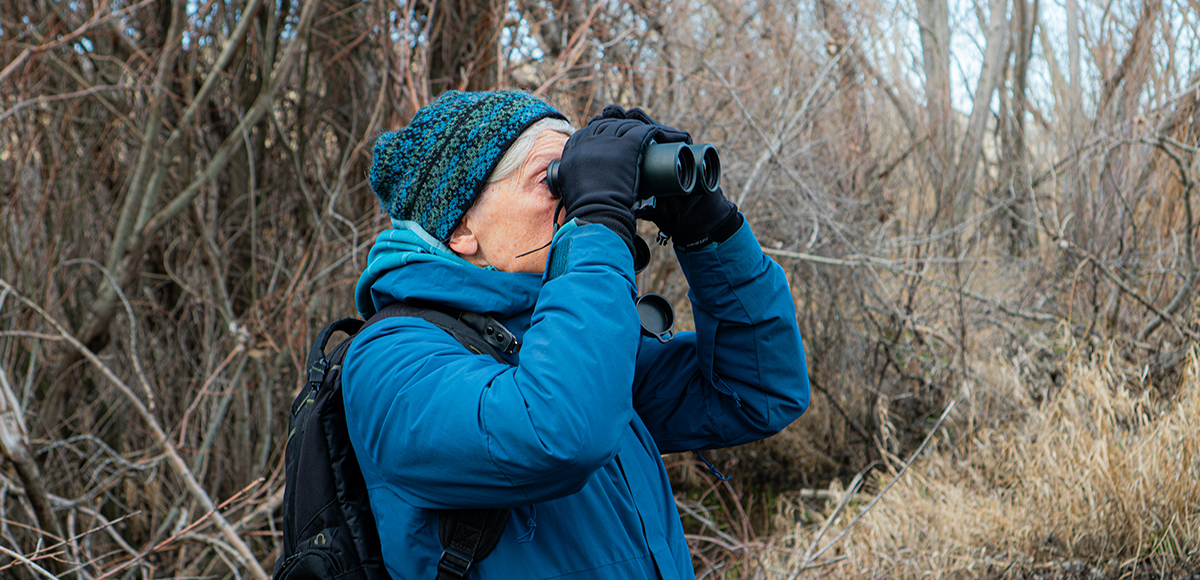
Places to Go; So Much to See
Sometimes recreation opportunities aren’t marked by a sign. The activity isn’t also an Olympic sport. Discovering is about enjoying the place and observing. Perhaps the act enriches the time spent outside.
Can you recognize an Oregon Junco? Do they visit your yard? This section of the website is dedicated to connecting with places that aren’t necessarily a traditional destination and activities that span the landscape.
Connect with Local Organizations
If we wrote about all the organizations and groups in town working to connect folks with nature and the outdoors, you would be scrolling for quite some time, which is awesome. We’ll do our best to create an exhaustive list (and this project will take time), but never hesitate to drop us an email to educate us about something worth mentioning.
The Blue Mountain Land Trust hosts Learning on the Land events, Nature Kids programs, and Blues Crew work parties. In addition to the conservation work the organization does, education and recreation are key components of their mission.
The Blue Mountain Audubon Society is another active organization in town. They lead weekly bird walks. Check the website to confirm the location and meeting spot. This group also maintains the Arthur G. Rempel Fort Walla Walla Natural Area.
We enjoy looking at the impeccably well-maintained bird list on their website, and then finding that bird on our Audubon app to educate ourselves in hopes of identifying any number of species ourselves. This group is incredibly knowledgeable and dedicated. Don’t be shy; attend a meeting. Answer the call of your inner birder.
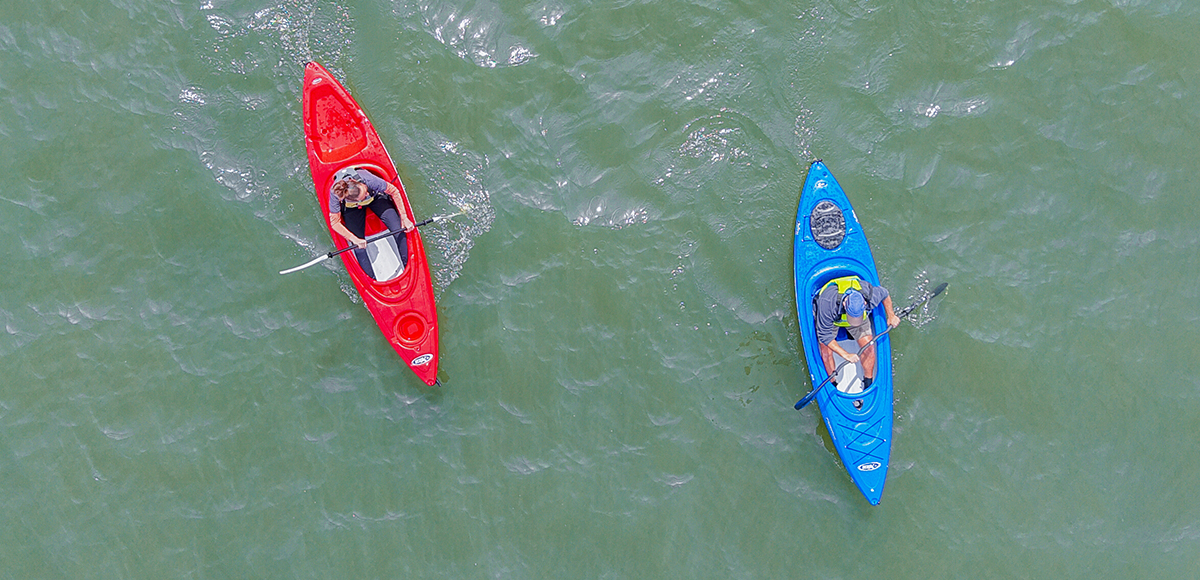
The Many Waters of Southeast Washington & Northeast Oregon
The east side can heat up quite a bit in the summer, and taking advantage of one of many waters is a welcome way to cool off. There are plenty of opportunities to raft, kayak, and paddleboard in the area.
From thrilling rapids to flat, calm water, outdoor enthusiasts can tailor their adventure based on skill and comfort level. Local outfitters have both the equipment and expertise to navigate more remote areas, and conditions vary based on time of year and snow pack.
Getting out on the water is truly a three season affair (and some would argue four). Don’t let the summer’s dry, hot reputation fool you; the Walla Walla valley is appropriately named that for a reason.
Likely the best place to experience a river trip is based out of Minam, Oregon. Guided rafting trips on the Wallowa and Grande Ronde Rivers are a fun way to gather the family.
Of course, kayaking is also a great option. Whitman College offers open kayak nights that are instructor-led sessions in the Harvey Pool on campus. These sessions are open to the public. Once comfortable maneuvering a kayak, the Outdoor Program Rental Shop is also open to the public.
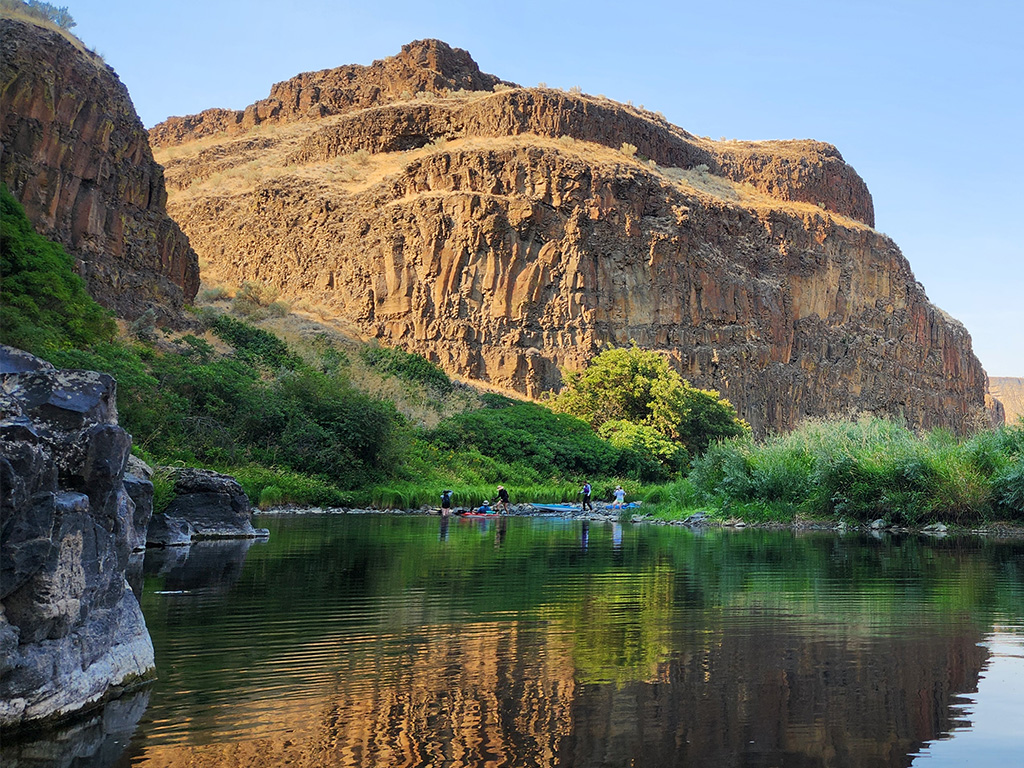
Another fun water sport is paddleboarding. I can’t think of a better way to spend an afternoon than paddling the Palouse River at Lyons Ferry State Park while gazing up at the unique, desert landscape.
Conversely, the closest mountain lake is Jubilee Lake.
Events That Require A Towel
If you have a competitive streak, there are a few events sprinkled throughout the valley that require a bathing suit. Swim the Snake is open to brave swimmers, paddleboarders, and kayakers.
The event occurs between Lyons Ferry Marina and Lyons Ferry State Park, crossing the Snake River. Not only is this a great way to spend a hot August day, but it is also a fundraiser, so recreate for a cause.
The Onion Man Triathlon is another event that involves taking a dip. Celebrating over a quarter of a century of Onion Man Triathlons, this event takes place at Bennington Lake.
Dive Into Natural History
Perhaps when you think of water in Washington State, you think of Puget Sound, the beach, or rainy Seattle weekends. With the Snake and Columbia Rivers under an hour away and essentially our regional border on three sides, water plays an integral and dynamic role in the Blue Mountain region.
Water carved the Blue Mountains, charges the aquifers, and irrigates the land. It also means there are a variety of ways to engage with it, such as paddleboarding, kayaking, and rafting.
To truly appreciate those opportunities, allow us to suggest a few resources: Many Waters: Natural History of the Walla Walla Valley and Vicinity and The Blues: Natural History of the Blue Mountains of Northeastern Oregon and Southeastern Washington. Both books capture our natural resources in an accessible way thanks a collaborative effort between scientists, artists, poets, and local historians.
Pick up your copies at Book & Game downtown Walla Walla–the investment in knowledge will transform your water adventures.
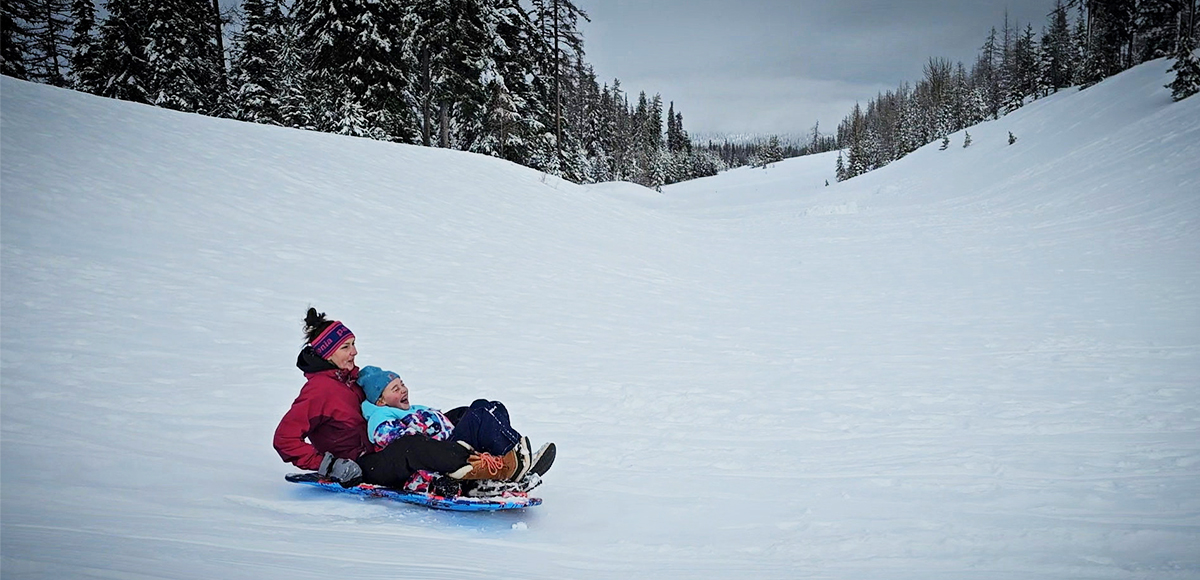
Winter Sports in the Blue Mountains
Living in an area that experiences four seasons is magical. Just when you think you can’t take another hot day or blustery night, the season changes.
Winter in Walla Walla is often challenging for those who like to see the sky or anything beyond their neighbor’s house for that matter. Fog rolls in and not surprisingly gets stuck in the valley.
Luckily for locals and tourists alike, there is a solution: snowshoe, ski, cross country ski, or sled under crisp blue skies in the mountains.
Many winter recreation opportunities exists a mere hour out of town, or less depending on the snow pack. Ski Bluewood is the closest ski resort to Walla Walla, just outside of Dayton, Washington and boasts roughly 400 acres of skiable area, including 24 trails, terrain parks, and lots of quality tree skiing.
Several roads that close for the winter double as excellent snowshoeing and cross country skiing trails.
The area does feel even more remote in the winter, so make sure to travel in groups or let folks know your intended travel plans. Winter in the mountains is a great way to get through winter in the valley, so grab your favorite snow sport equipment and head to the mountains.
Activity
ACTIVITY
DISTANCE
