
CURRENT CONDITIONS
52° F

OUTSIDE WALLA WALLA
OUTSIDE WALLA WALLA
Fishing

Fishing
Fishing in the Walla Walla Valley & the Blue Mountains
Breathtaking rivers and streams, numerous ponds, a mountain lake or two, and a reservoir offer a number of different fishing experiences in the Blue Mountain region.
From seasoned fly-fisherman to first-time casters, there is something for everyone at any experience level. The iconic salmon and steelhead species make the arduous trek inland to a number of our area rivers and streams that are identified spawning grounds.
Other species common to the area include redband trout, rainbow trout, walleye, catfish, smallmouth bass, lake trout, and kokanee to name a few.
New to the area or sport? Many ponds are stocked and can provide a day of outdoor fun and excitement. There are also a few folks in the area who would love to show you how to take the plunge.
Guided trips are an awesome way to expand upon your knowledge of the sport and push your comfort level, and a number of local groups and organizations run programs to introduce new anglers to the sport.
As the place of many waters, Walla Walla’s connection with this invaluable resource and the species that thrive in its flows has shaped its history and continues to influence the area today.
Fishing Access in the Walla Walla Valley
Outside Walla Walla wouldn’t dare out anyone’s honey hole. In doing research about where to take our kids, we were both surprised and excited to learn about the many opportunities that exist to fish in the Walla Walla valley.
Many of these opportunities are provided by the US Army Corps of Engineers and Washington Department of Fish and Wildlife. The Walla Walla District alone operates 37 recreation areas involving a number of different opportunities, such as visitor centers, campgrounds, and playgrounds to name a few.
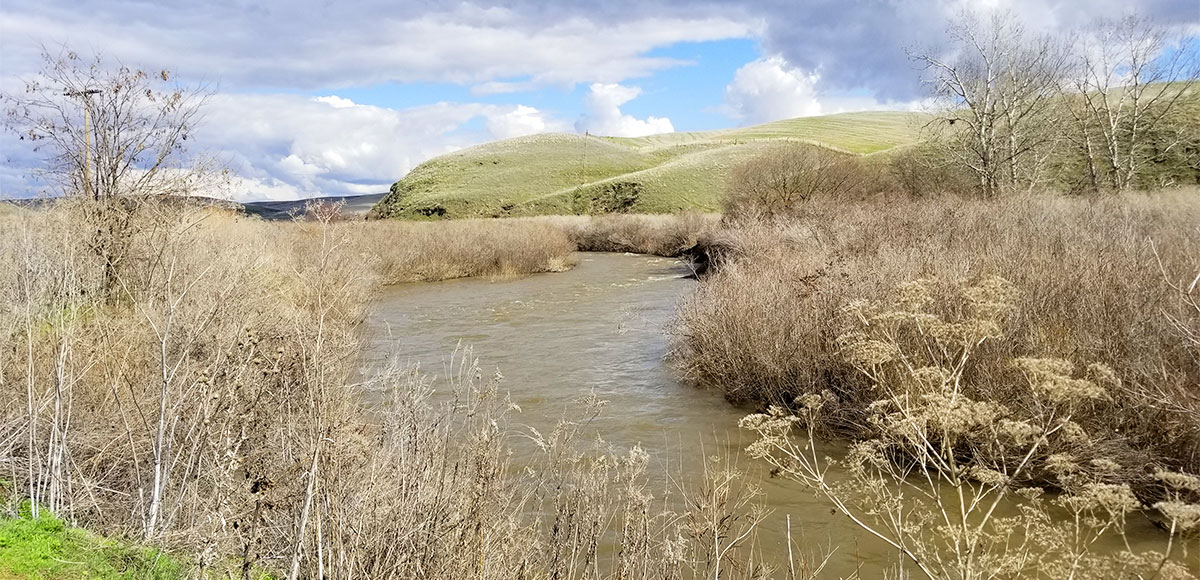
In our immediate area, there are four notable fishing access areas along the Walla Walla River, Touchet River, and Mill Creek: Dodd Public Fishing Area, McDonald Road Public Fishing Area, Swegle Road Public Fishing Area, and Stovall Road Public Fishing Area.
We are also fortunate to have Bennington Lake just minutes from downtown Walla Walla. Please visit our Rivers & Streams or Lakes & Ponds pages for more information about each of those spots.
If you only have a few hours or don’t have your honey hole flushed out yet, visit one or all of these fantastic locations to enjoy the outdoors–and perhaps even catch dinner!
Stocked Ponds in the Blue Mountains
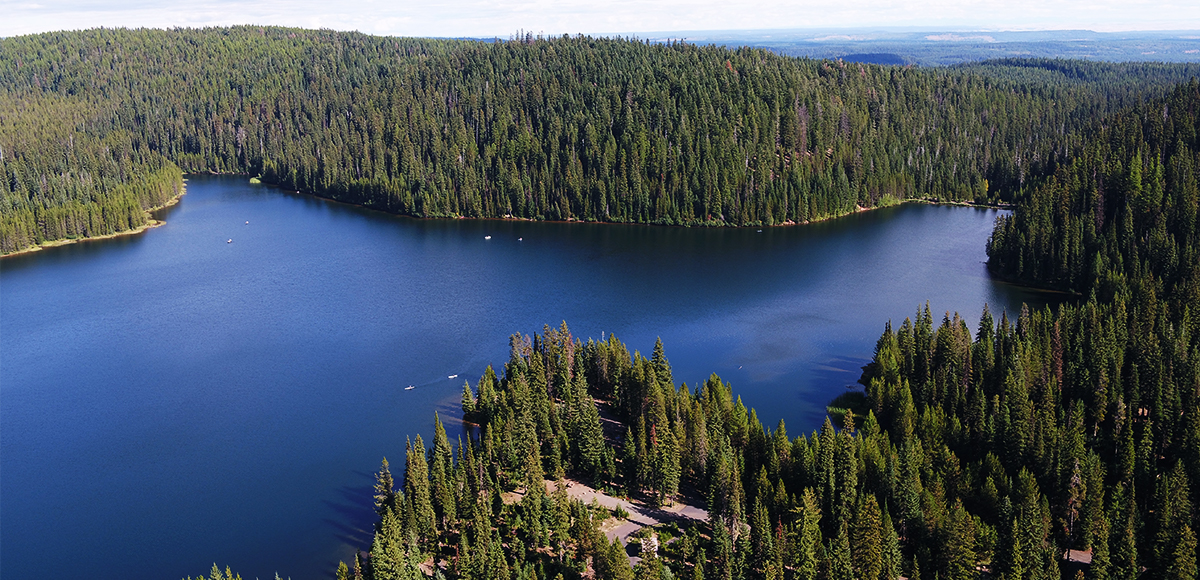
A number of stocked ponds are located in the Blue Mountains. Perhaps most known are the Tucannon Lakes, eight artificial lakes along the Tucannon River in the W.T. Wooten Wildlife Area between Dayton and Pomeroy, Washington.
Providing recreation for tens of thousands of anglers across southeast Washington, these lakes were designed in the 1950s with the Tucannon Fish Hatchery to provide public fishing opportunities as well as help revamp Endangered Species Act listed stocks in the Tucannon subbasin.
Over the years, theses lakes have definitely lived up to expectation and become a regional treasure in the Blue Mountains. Today, many efforts to improve the quality of the lakes with regard to habitat and impact on native species, as examples, are driving plans for repairs and restoration.
For more information about the lakes, please visit our Lakes & Ponds page to discover your next Blue Mountain fishing adventure. And, check out our Events page for details about the kids fishing derby hosted at Rainbow Lake in June.
Stocked Ponds in the City of Walla Walla & the City of College Place
If the family isn’t in the mood to tromp to a fishing hole on the river, consider the convenience of in-town, stocked ponds.
Kids age 14 and under are allowed to fish the ponds and do not require a fishing license. The ponds are stocked with a few thousand fish per year, including some jumbo rainbow trout that will surely excite the entire family.
Both ponds are surrounded by a park, so there is plenty of activity for everyone in the family. Playgrounds, picnic tables, ball fields, and restroom facilities make introducing fishing to a kiddo or two a much easier event than its mountain counterpart.
Consider hitting the banks starting in March for the best fishing opportunities, although fishing is allowed year-round. Pack a picnic and a pole and enjoy the convenience of an in-town, stocked pond.
First Foods & The Essential Resource
In the not so distant past, the mighty Columbia River roared through the canyon walls, free-flowing to the Pacific Ocean. Today that roar is bound by dams, managed for power.
The salmon runs were so prolific, and people depended on those runs for survival throughout the year. Today those runs are protected, managed for survival in an ever-changing, challenging environment.
The Confederated Tribes of the Umatilla Indian Reservation (Cayuse, Umatilla, and Walla Walla Indians) have called the Columbia River region home for over 10,000 years. As one of their first foods, salmon, among other species both plant and animal, is culturally and economically significant.
The Tribe’s Department of Natural Resources is playing an extremely active role in restoration efforts in the area, including successfully restoring salmon to the Umatilla River after 70 years of extinction.
To learn more about the Tribe’s past, connection with the land, and actions to protect natural resources around the region, visit the CTUIR website.
If part of your outdoor recreation plans involve heading south into the Blue Mountains, add visiting the Tamastslikt Cultural Institute to your travel plans. We can all benefit from learning more about the long view of history with regard to our evolving interface with nature.
Connect with Local Groups & Organizations
A number of folks in town are working very hard to protect and restore habitat for healthy fish populations throughout the region. Much of that work is collaborative, so know that there is an amazing number of people working together to accomplish a ton of great projects.
Next time you see a sign highlighting a completed project, take a moment to thank the local agency or organization that has likely spent hundreds if not thousands of hours advocating for funds to enhance our natural resources.
One such organization is the Tri-State Steelheaders whose mission centers around restoration, education, and recreation. You might hear about their Salmon in School program or Kids’ Fishing Day or work they are planning for Lion’s Park in College Place.
We’ll keep you posted on events going on the area and report on all the great work going on in the valley and the Blues.
What’s Biting: A Brief Description of Species
Fishing means a great deal to many people, from first foods, to a deeper connection with nature, to memories of spending time outside with family. Stories retold of the big one or the one that got away fill the air at campsites across the Pacific Northwest.
There is so much to learn about fish, and they can teach us a lot about ourselves. Salmon, a keystone species, support over 100 different species, an invaluable resource to the ecosystem.
Entire industries depend on healthy populations of many different species of fish, illustrating how imperative our stewardship is both for the environment and the economy.
Steelhead (Onchorhynchus mykiss)
Leading off our overview of species is the state fish of Washington–steelhead. Steelhead and rainbow trout are actually the same species; however, steelhead are anadromous and rainbow trout are freshwater only.
Unlike salmon, steelhead can survive spawning and, in fact, spawn multiple years. According to the U.S. Fish & Wildlife Service, steelhead can propel themselves upwards of 11 feet when climbing falls, and they can go from zero to 25 mph in one second. So don’t feel bad the next time one gets away! The National Fish Hatchery System raises over six million steelhead each year for fishing and recovery efforts.
Chinook Salmon (Oncorhyncus tshawytscha)
Another anadromous species, Chinook salmon, is the largest of the Pacific salmon species. Some populations have migrated over 2,000 miles. They spend most of their lives in the ocean and then return to freshwater to spawn.
Fishes of the Columbia Basin reports that run size used to top upwards of 10 million fish per year. That number is now closer to two million fish per year, comprising mostly of hatchery fish. According to the U.S. Fish & Wildlife Service, the largest recorded Chinook salmon was 135 pounds, but don’t go retooling your fishing rod quiet yet–they average about 40 pounds.
With many segments listed as endangered, threatened, or a species of concern, conservation efforts to restore habitat and mitigate dam passage are underway. Many local organizations in our area work to protect spawning grounds and restore habitat along the way.
Walleye (Sander vitreus)
An introduced species to our area, walleye are naturally found in the Northern Territories and midwest. Introduced around the country, walleye prefer shallow lakes and larger rivers.
In their native habitat, many conservation efforts to restore the species from over fishing are in process. These fish really know how to play hard to get, perhaps due to their keen eyesight.
As one of the tastiest freshwater fish, dinner is well worth the effort. One cool fact from the U.S. Fish & Wildlife Service puts the oldest recorded walleye at 29 years old. Both the Columbia River and Snake River are popular fishing spots for this elusive fish.
Smallmouth Bass (Micropterus dolomieu)
According to Fishes of the Columbia Basin, smallmouth bass were introduced in the Yakima River in 1925. Additional stocking efforts resulted in their arrival to the Columbia, Snake, Walla Walla, and Grand Ronde rivers.
This species takes a few years to mature to legal catch size, but fisher-folks tend to enjoy the challenge of the catch as they are a feistier fish–not to mention delicious. As another species introduced into ecosystems around the world, their management is mostly for recreational purposes.
Largemouth Bass (Micropterus salmoides)
Largemouth bass are perhaps the most popular species to fish for in the United States, not to mention a multi-billion dollar industry with all sorts of technology and gear.
The species has been introduced around the world mostly for recreational purposes. They were introduced in Washington and Oregon in the late 1890s and are found in the Columbia and Snake Rivers.
A typical, mature largemouth bass is between 12-15 inches. Though a personal preference, surveys say the meat isn’t quite as tasty as the smallmouth bass. The species has shown an incredible ability to adapt to various conditions and environments, furthering its reputation as a sport fish.
Lake Trout or Mackinaw (Salvelinus namaycush)
As the name suggests, the lake trout is mostly found in lakes across the United States. Another broadly introduced species, lake trout are the largest of the freshwater char.
According to the U.S. Fish & Wildlife Service, the largest specimen recorded was 102 pounds. And the oldest lake trout was recorded at 40 years–some people might have a chance of catching one older than themselves. In our area, likely the nearest opportunity to fish for lake trout is Wallowa Lake near Joseph, Oregon.
Rules of the Rod
Given our location on the border between Washington and Oregon, it is important to pay attention to where you are casting. Just because you have a Washington fishing license does not mean you can fish in Oregon, and sometimes it is really hard to remember that.
Recreating in the Blues feels like a holistic experience not bound by borders and boundaries, but that argument likely won’t fly with the game warden, so just check your license before you go.
The Washington Department of Fish & Wildlife and Oregon Department of Fish & Wildlife produce Sport Fishing Rules and Sport Fishing Regulations, respectfully.
These are annual documents that lay out everything you need to know to go fishing. Given the amount of data, the scope of geographic territory covered, and specificity of the information, these guides are incredibly straightforward documents that basically tell you when you can fish, for what, and where.
Consult this document every time you fish. Remember those rules aren’t written to dissuade you from fishing, but rather protect the species and, to a certain extent, ensure its survival for the next generation of anglers.
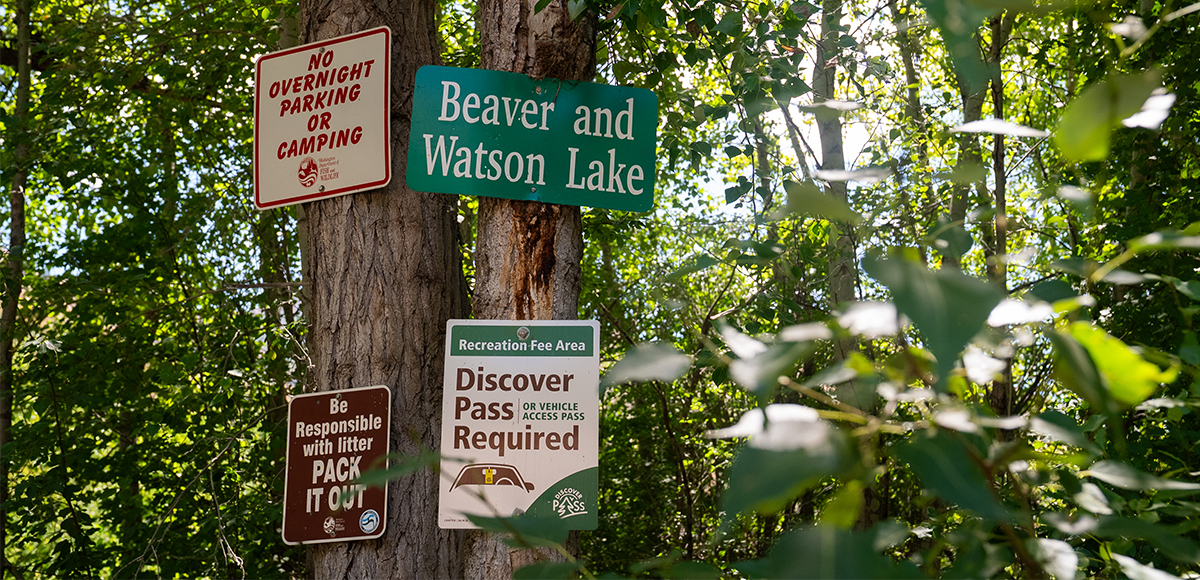

Rainbow trout, Chinook salmon, steelhead, and seven other species, plus one hybrid, are among the approximately 21 million fish, with a combined average weight of 333 tons, stocked in Washington’s public waters each year. Recreational fishing is an important component of outdoor recreation in our region. Learn more about the lakes and ponds stocked in our area.
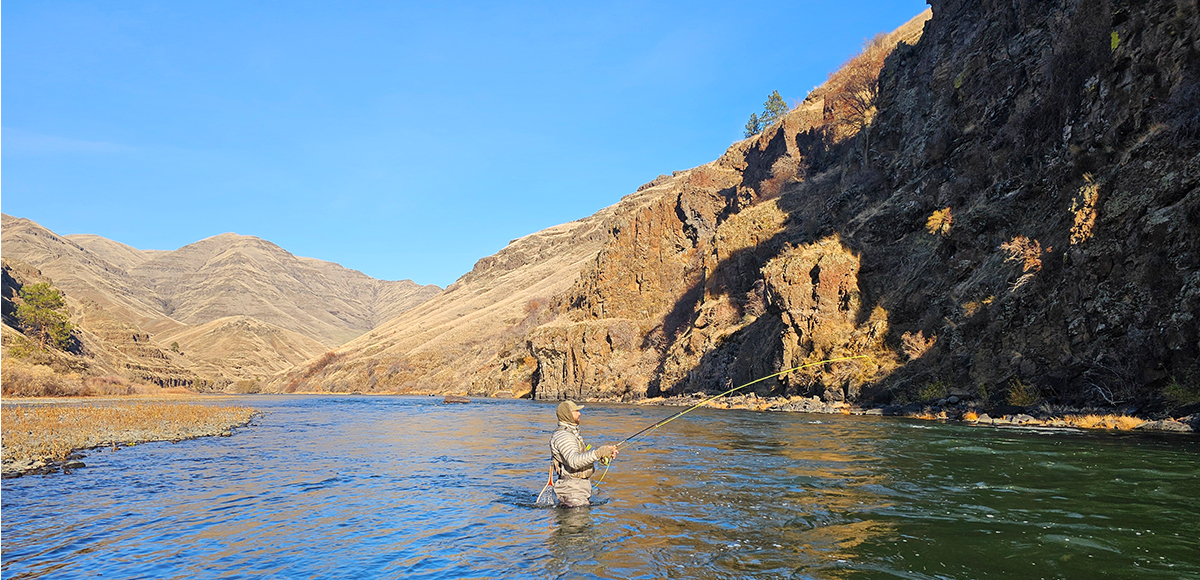
There are many fishing spots along a river in the Umatilla National Forest, around the valley managed by the US Army Corps of Engineers, or on the banks of the majestic Snake River or mighty Columbia River. Wild and Scenic Rivers are just across the border in Oregon, a prime spot for a fun-filled day on the water. So pack your waders and come to Walla Walla.
Activity
ACTIVITY
DISTANCE
