CURRENT CONDITIONS
52° F
OUTSIDE WALLA WALLA
OUTSIDE WALLA WALLA
McNary National Wildlife Refuge
ACTIVITIES
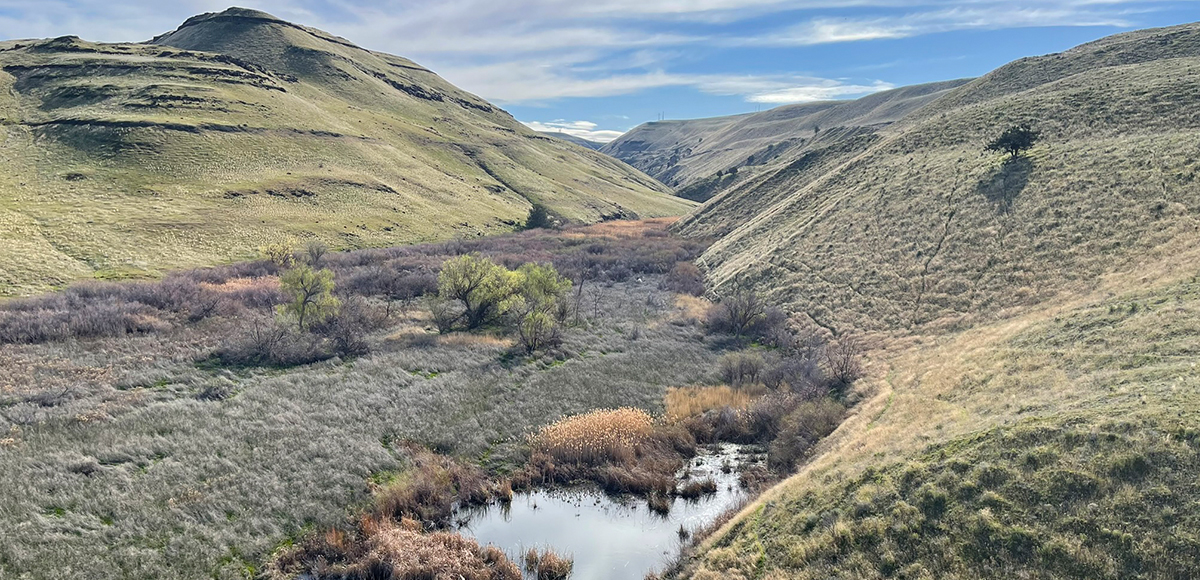
A place that provides shelter and safety, nourishment, and respite, the McNary National Wildlife Refuge provides that for all creatures great and small, including us. Tucked in between highways and industry, this sanctuary in the desert transports visitors to a different place, perhaps even a different time.
Overview
- Distance:
- Within 1.5 Hours
- ADA:
- Yes
- Elevation:
- 340 feet
- Multi Use:
- N/A
- Seasons:
- Spring, Summer, Fall, Winter
- Pets:
- Yes
- Motorized Vehicles:
- N/A
- Fees:
- Free to entry & parking. If hunting or fishing, check the refuge's Visit Us page.
- Land Manager:
- US Fish & Wildlife Service
- Permits:
- Consult the McNary National Wildlife Refuge Visit Us page to launch into specific information regarding hunting and fishing.
- Amenities:
- Consult the interactive map for everything from where to find a bench to boat launches. There is a portable toilet at headquarters parking and Madame Dorian Restroom Parking.
- Distance:
- Within 1.5 Hours
- Seasons:
- Spring, Summer, Fall, Winter
- Elevation:
- 340 feet
- Pets:
- Yes
- Fees:
- Free to entry & parking. If hunting or fishing, check the refuge's Visit Us page.
- Land Manager:
- US Fish & Wildlife Service
- ADA:
- Yes
- Multi Use:
- N/A
- Motorized Vehicles:
- N/A
- Permits:
- Consult the McNary National Wildlife Refuge Visit Us page to launch into specific information regarding hunting and fishing.
WHAT TO DO
Hiking
The Quail Trail is located at the McNary National Wildlife Refuge Headquarters and is just under two miles. The Peninsula Connector and Quarry Pond Trails hug the Curlew and Quarry Ponds and help provide access to that particular inlet of Lake Wallula, both clocking in around a quarter mile.
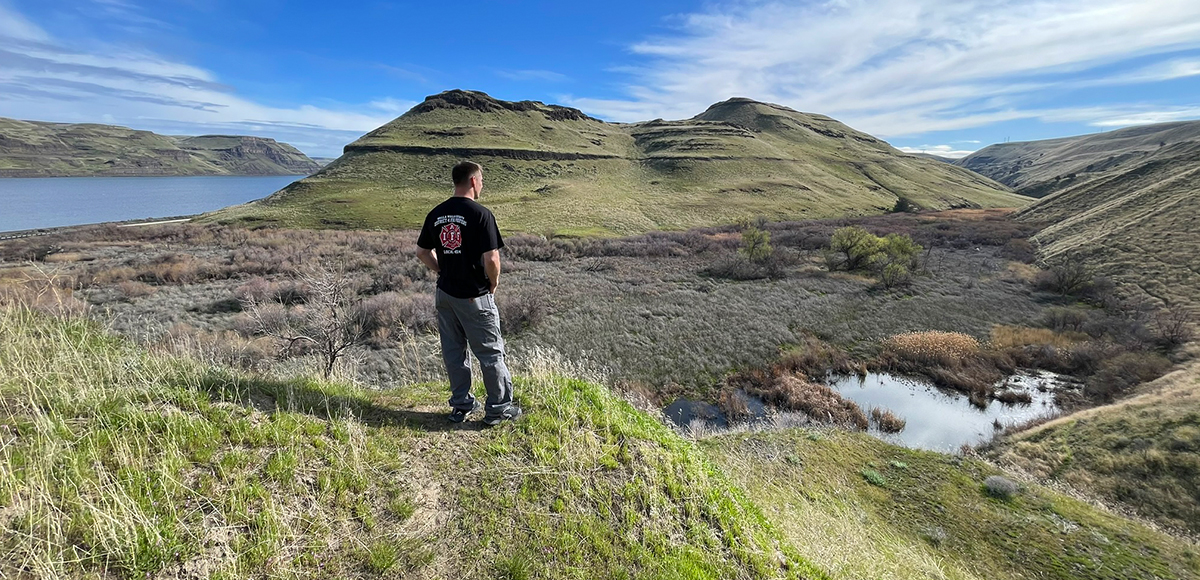
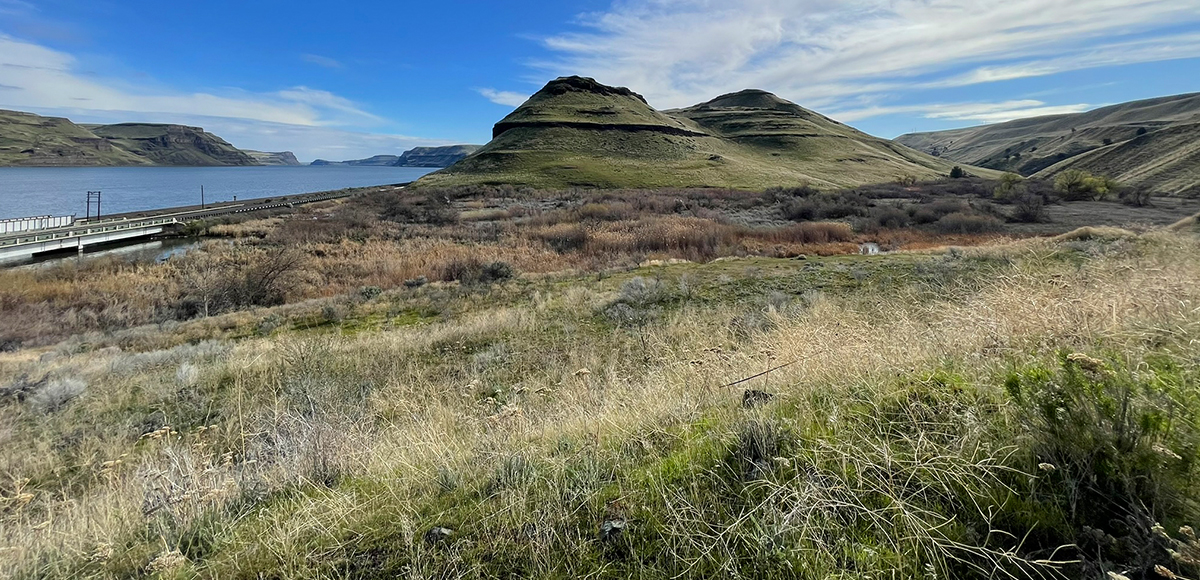
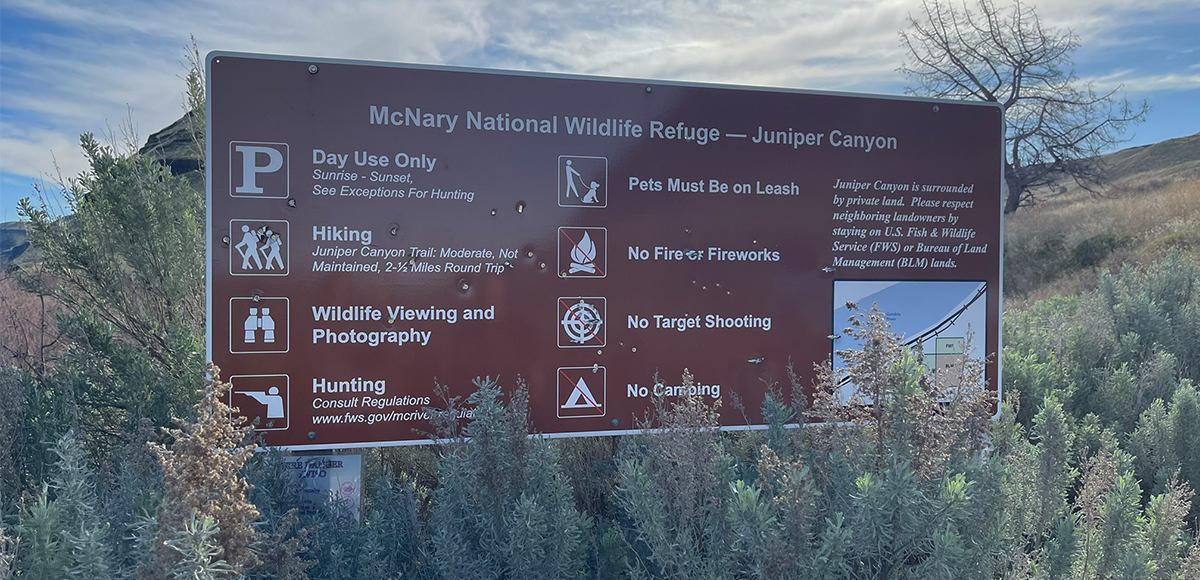
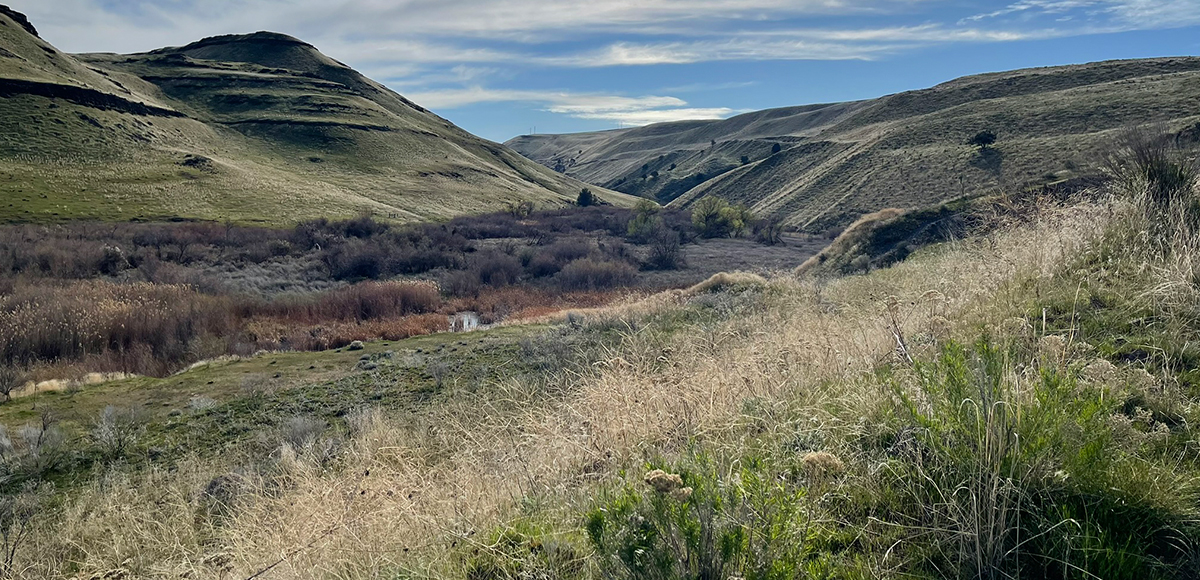
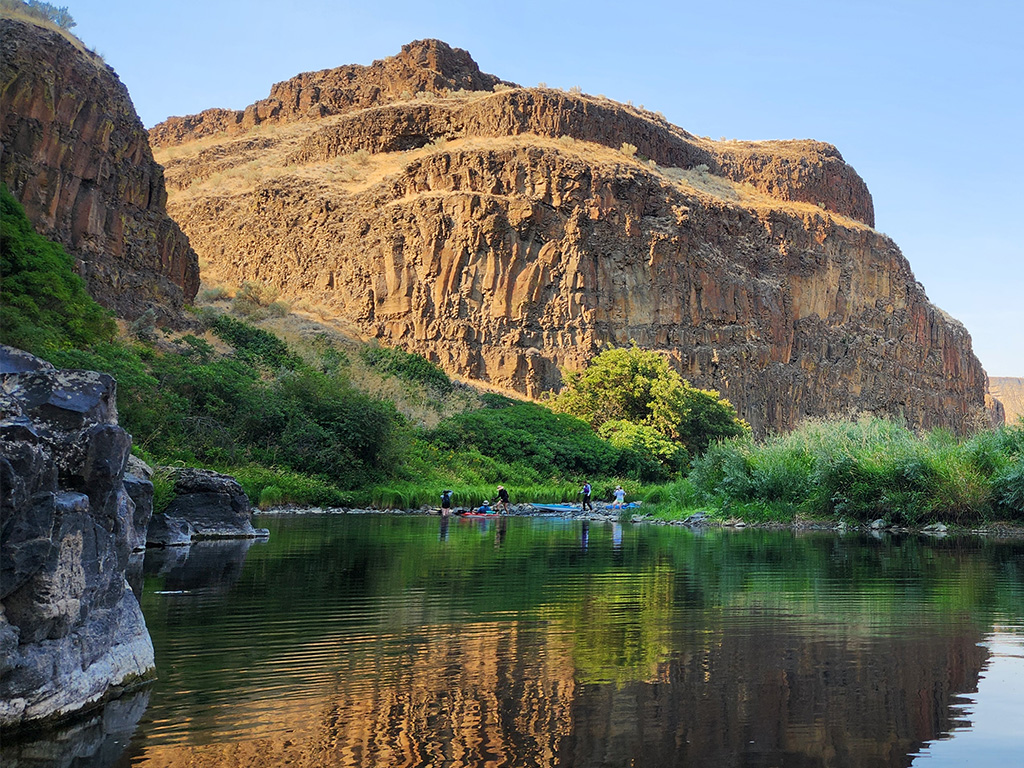
For a longer excursion up the mouth of the Walla Walla River, the Wallula Horse Trail (sometimes referred to as Madame Dorian) extends 4.47 miles through cottonwood and willow trees and past sage brush. The berms weaving throughout also provide wide, walkable areas to wander. Lastly, the only named trail in the refuge on the Oregon side is Juniper Canyon Trail. Although less than a quarter of a mile, the unique habitat is worth a visit.
Fishing
Some of the fish found in its waters include largemouth bass, smallmouth bass, crappie, yellow perch, catfish, walleye and salmon. Fishing regulations are highly specific and based on species and location, so make sure to consult with the governing agency directly. Quarry Pond is the only pond stocked by the Washington State Department of Fish and Wildlife.
Birding
Migration brings waves of species to the Wallula area, nesting in the basalt cliffs or foraging in the wetlands. The refuge is an ever-changing yet cyclical treasure to visit often. Wildlife watching opportunities in this area are numerous. The Blue Mountain Audubon Society periodically hosts field trips to the refuge. At refuge headquarters, a lovely path, the Quail Trail, leads to an observation bird blind, a truly immersive experience.
Local naturalist, birder, biologist extraordinaire, Mike Denny, shares his favorite spot on the refuge. Once you cross the Walla Walla River bridge just north of the junction of HWY 730 and HWY 12, watch for North Shore Drive and turn right. Once on North Shore Drive, keep left for 2.2 miles, heading east through sage brush and along a railroad track. You will pass an intersection with another gravel road leading to the south. Keep straight until you come to a second gravel road to the right (south). Take this right and drive until you reach the East Millet Pond Parking.
Park and walk to the southwest corner of this lot. Take the trail up and over the slope down to a gravel road. In fact, there are two parallel roads, one gravel to the left and one dirt to the right. This is the start of an outstanding bird walk that will take two hours or more in the spring. There are many migratory species as well as resident breeding species. Bird species in the spring are Sora, White-faced Ibis, Virginia Rail, Great Horned Owl, Bald Eagles, Yellow Warblers, Yellow-headed Blackbirds, and many geese and ducks after early February. There are also Swamp Sparrows, Harris’ Sparrows, and Coopers Hawks in winter.
This is a site well worth exploring from March through October. Waterfowl hunting season starts mid-October, but hunting the area around the Millet and Woodland Ponds closes at 1 pm daily. Consult the Hunting Regulations—Wallula Unit tear sheet that helps all users understand the area. Check the e-bird list for this site to get an idea of what species to look for; the lists are under the McNary NWR–Millet & Woodland Ponds. From late June and lasting until September it can be 100+ degrees. This is an early morning spring and summer birding and walking retreat. Bring water and a hat!
Kayaking/ Paddleboarding
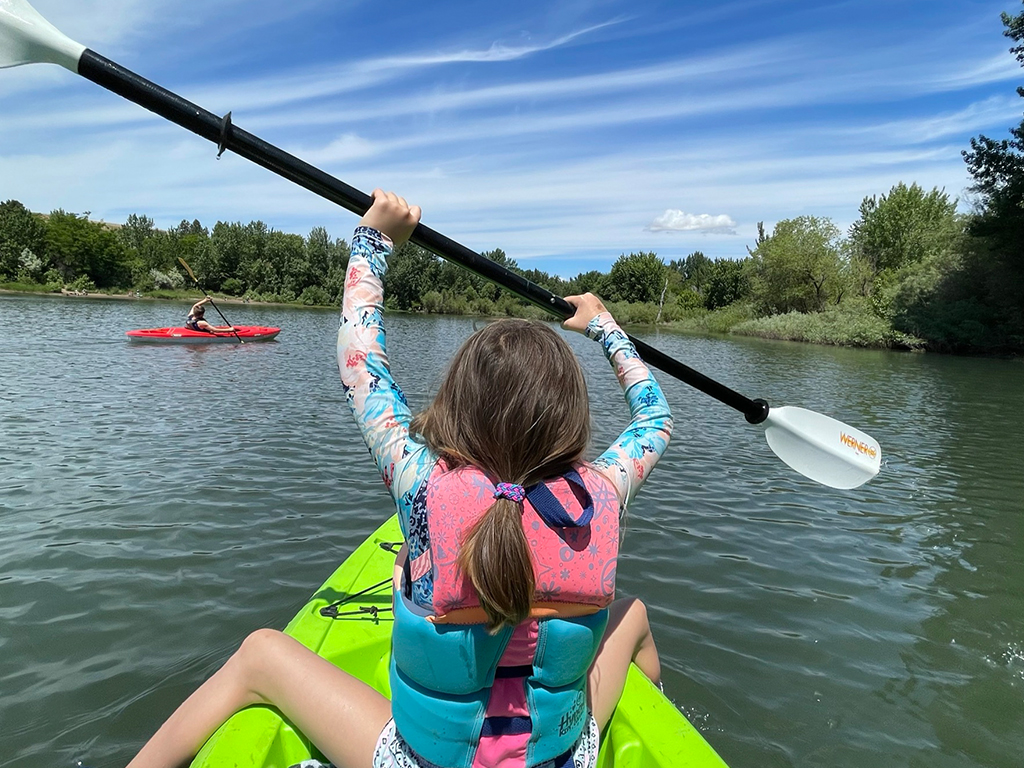
To launch your favorite human-powered water craft, consider the boat launch at Madame Dorian on the Walla Walla River. There are restricted areas, so it is best to gain familiarity with the map and boating information. The refuge’s Visit Us page also communicates expectations regarding accessing the shoreline as well as the fact that all islands are closed to the public.
WHAT TO EXPECT
There are five units withing the McNary National Wildlife Refuge. Each have their own identity. In researching the area, the hunting regulation documents (tear sheet) provided detailed maps, clarifying allowed uses in what area. For example, at the headquarters unit, there is a designated hunting area that is actually closed to all general public entry.
Adjacent to that area and further west, is the refuge headquarters building and the Quail Trail that is surrounded by land and water closed to hunting. The Two Rivers, Peninsula, Villard Ponds; Wallula Unit; and Juniper Canyon and Stateline Units sheets are equally as helpful to visualize how to enjoy the area and share amongst all types of recreators.
Amenities
Consult the interactive map for everything from where to find a bench to boat launches. There is a portable toilet at headquarters parking and Madame Dorian Restroom Parking.
Regulations
The McNary National Wildlife Refuge website is a wonderful resource. Each activity has a dedicated page with links and/or documents to ensure that users can safely recreate while leaving plenty of refuge for wildlife respite.
Wildlife Awareness
We are all so fortunate to recreate in the Blue Mountains and Walla Walla Valley. So many opportunities exist to play outside, whether in a national forest, wilderness area, or on a Wild and Scenic River. With these opportunities comes great responsibility to appreciate that we are mere visitors and should all take pride in being good stewards of the wild.
Many animals call these protected places home, including moose, elk, bear, cougar, bobcat, and snakes to name a few. Take precautions to respect their home and understand the appropriate response should an encounter occur.
Additionally, many plant species thrive in the Blue Mountains, so staying on trail is always good practice.
Carry First Aid supplies to better respond to accidents or encounters, and always let others know where the day’s adventure is taking you.
Field Notes
Pets: In general, pets are allowed on a leash and under control throughout jurisdictions. The only restrictions we have encountered are around swimming areas. As a best practice, be mindful of riparian habitat in general. You never know where a precious spawning area might be located. Pack it in and pack it out applies to your furry friend as well.
Disclaimer: While the Outside Walla Walla team has enjoyed all the adventures listed on this site, we cannot provide real-time conditions & maintenance reports. Extreme weather can change access overnight. Volunteer groups might lose capacity to manage trail systems. We do our best to report that information and update our site accordingly, but please read our Disclaimer (footer) and proceed with any adventure as your comfort level allows.
WHEN TO GO
The Mid-Columbia River National Wildlife Complex Facebook Page is a great resource for current events and wildlife viewing updates.
HOW TO GET THERE
The McNary National Wildlife Refuge extends from the confluence of the Snake and Columbia Rivers past the Washington and Oregon border to the town of Hermiston. The Wallula Unit is approximately 30 miles from Walla Walla, and the Headquarters Unit is about 40 miles from Walla Walla. The McNary National Wildlife Refuge map is interactive, so use the filter feature to hone your area of interest.
map
TRAILHEADS
LOWER TRAILHEAD
UPPER TRAILHEAD
DOWNLOAD GUIDE PDF
DOWNLOAD GUIDE PDF
ADDTIONAL INFORMATION
McNary National Wildlife Refuge Gallery
CHECKOUT MORE OF THE SITE
Activity
ACTIVITY
DISTANCE