CURRENT CONDITIONS
52° F
OUTSIDE WALLA WALLA
OUTSIDE WALLA WALLA
Tucannon Trail
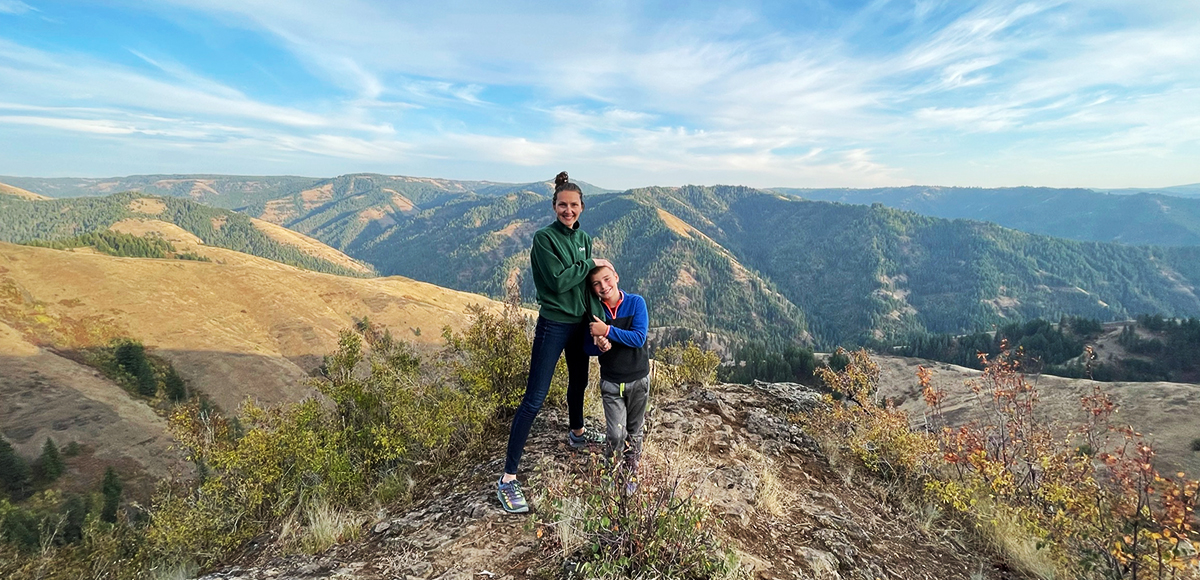
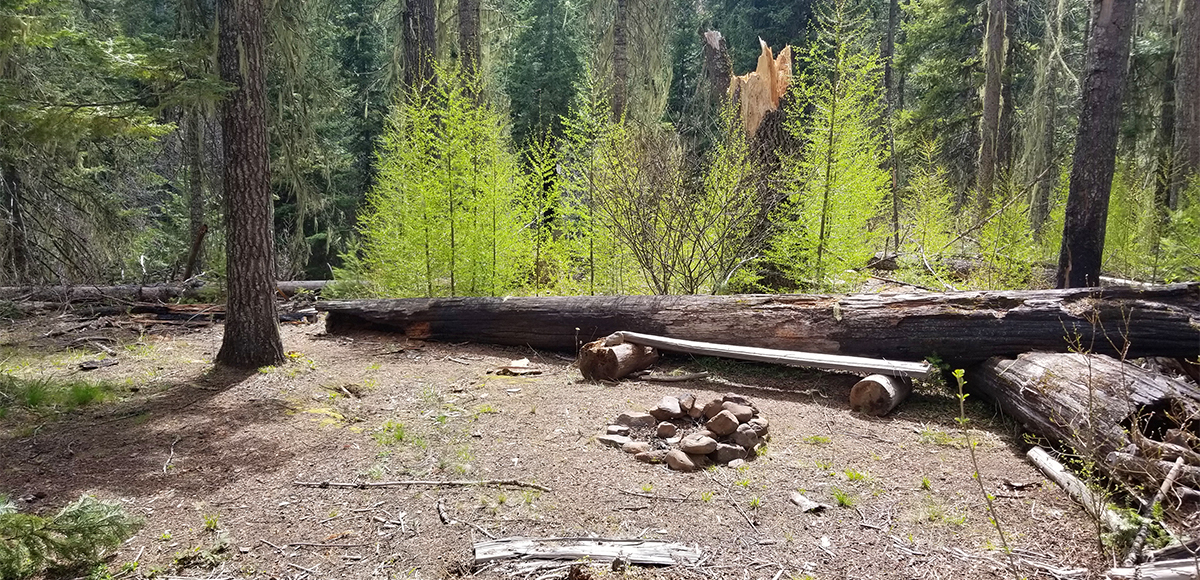
The Tucannon Trail is remote. It is the end of the line by way of gravel forest service road and borders the Wenaha-Tucannon Wilderness area. This part of the forest burned in the recent past, so expect down timber and heavy brush. For the foreseeable future, it might be best to use this trail to connect deeper into the forest. The roar of the Tucannon is still something, and perhaps take advantage of the open vistas while new growth works its magic.
Overview
- Distance:
- 1.5 - 2.5 Hours
- ADA:
- No
- Elevation:
- 3,400 - 4,200 feet
- Multi Use:
- No
- Seasons:
- Summer, Fall
- Pets:
- Yes
- Motorized Vehicles:
- No
- Fees:
- A $5 day-use fee is collected at the trailhead if you don't have an annual permit, such as the NW Forest Pass.
- Land Manager:
- Umatilla National Forest (Pomeroy District), Wenaha-Tucannon Wilderness
- Permits:
- If wanting a permit good for many more adventures throughout the Pacific Northwest, consider a Northwest Forest Pass, National Forest Recreation Day Pass, or America the Beautiful Pass.
- Amenities:
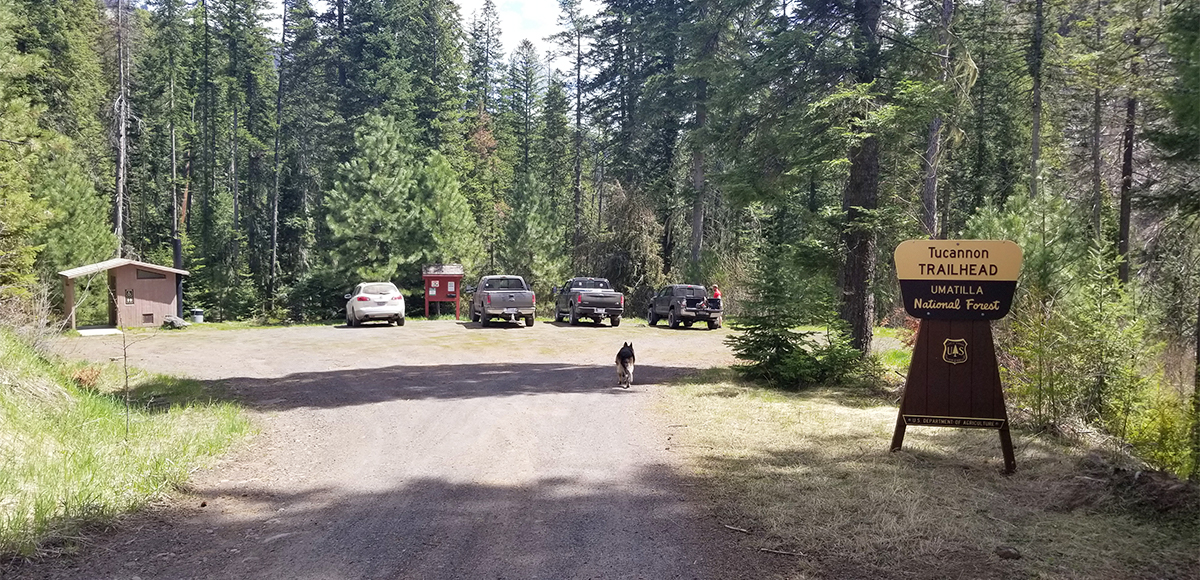
- There is one vault toilet at the trailhead.
- Distance:
- 1.5 - 2.5 Hours
- Seasons:
- Summer, Fall
- Elevation:
- 3,400 - 4,200 feet
- Pets:
- Yes
- Fees:
- A $5 day-use fee is collected at the trailhead if you don't have an annual permit, such as the NW Forest Pass.
- Land Manager:
- Umatilla National Forest (Pomeroy District), Wenaha-Tucannon Wilderness
- ADA:
- No
- Multi Use:
- No
- Motorized Vehicles:
- No
- Permits:
- If wanting a permit good for many more adventures throughout the Pacific Northwest, consider a Northwest Forest Pass, National Forest Recreation Day Pass, or America the Beautiful Pass.
WHAT TO DO
Hiking
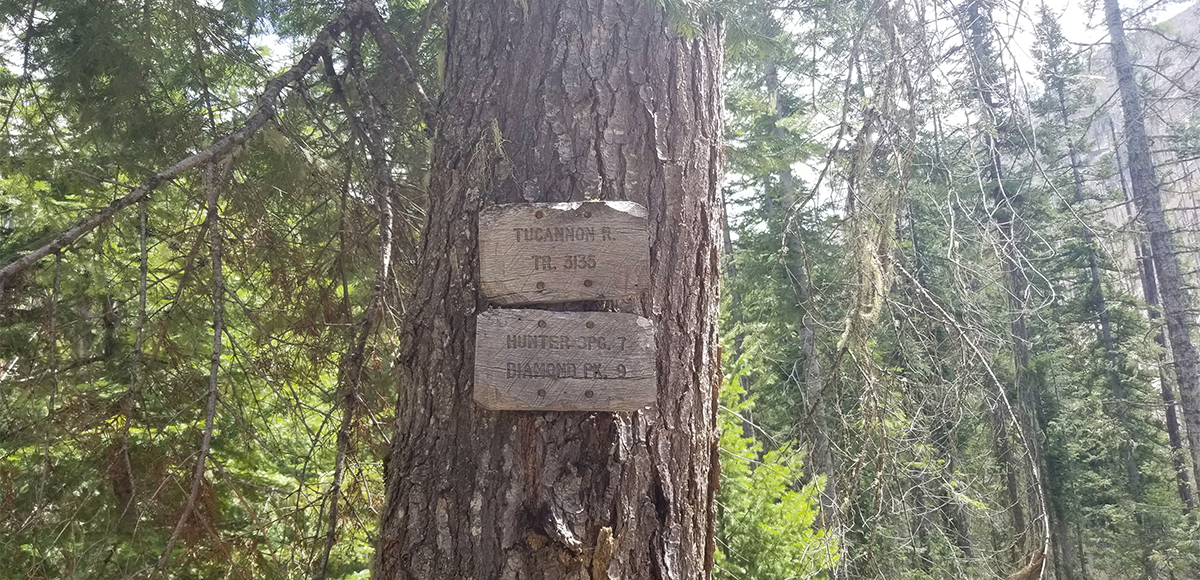
This 4.5 mile trail connects with Elk Flat Trail (#3241) before ending at the junction of Jelly Springs Trail (#3110) and Bear Creek Trail (#3110). At the junction, both trails are numbered #3110 but have different names. Several dispersed camping options are available along the trail if creating a longer loop or multi-day backpacking trip.
Consult the Forest Service page for agency information.
WHAT TO EXPECT
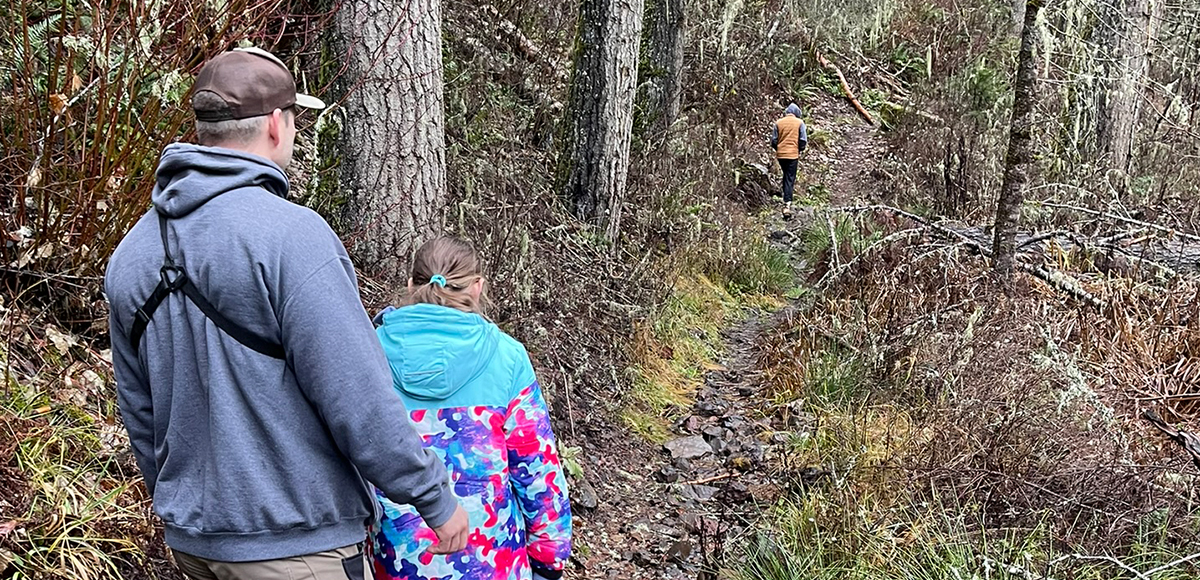
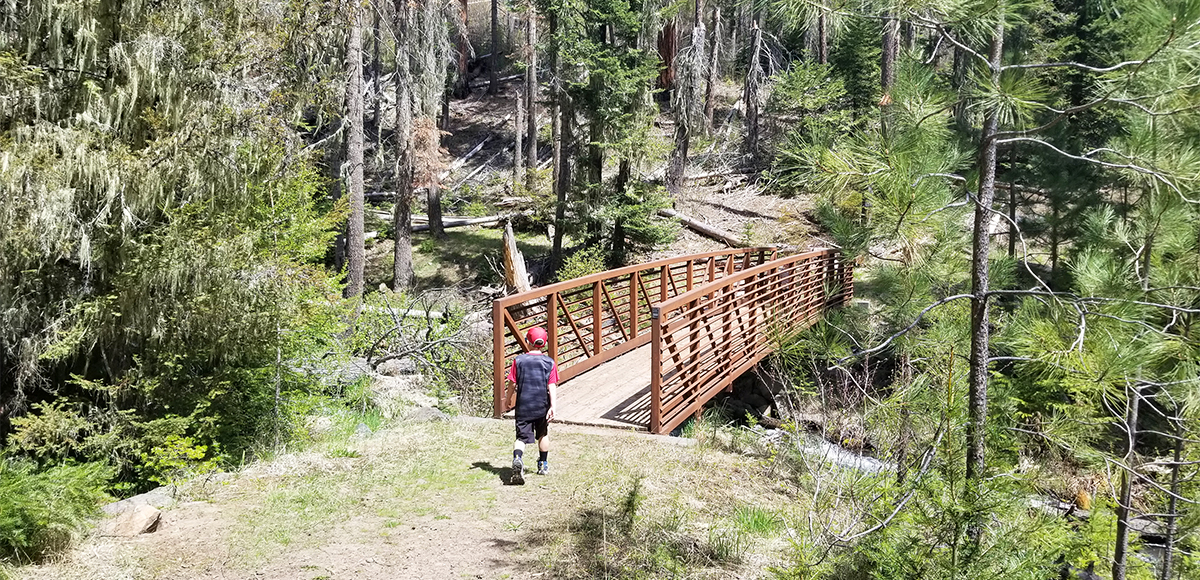
This trail enjoys a mild incline along the Tucannon River skirting the Wenaha-Tucannon Wilderness. Because the first quarter mile is in the wilderness, no mountain bikes or motorized vehicles are allowed. The trail is above the river and it is visible in places. This is definitely tick country.
Amenities
There is one vault toilet at the trailhead.
Regulations
The first quarter mile of the Tucannon Trail is in the wilderness area. Wilderness regulations apply in the Wenaha-Tucannon Wilderness. Such restrictions include no motorized equipment, bicycles, or hang gliders to name a few. Groups larger than twelve are prohibited as well as caching or leaving equipment or supplies for longer than 72 hours. Most applicable to hikers is the fact that shortcutting a switchback on any trail is also a violation of wilderness regulations. For a complete list of wilderness regulations applicable to those within the forest, visit the Umatilla National Forest website.
Wildlife Awareness
We are all so fortunate to recreate in the Blue Mountains and Walla Walla Valley. So many opportunities exist to play outside, whether in a national forest, wilderness area, or on a Wild and Scenic River. With these opportunities comes great responsibility to appreciate that we are mere visitors and should all take pride in being good stewards of the wild.
Many animals call these protected places home, including moose, elk, bear, cougar, bobcat, and snakes to name a few. Take precautions to respect their home and understand the appropriate response should an encounter occur.
Additionally, many plant species thrive in the Blue Mountains, so staying on trail is always good practice.
Carry First Aid supplies to better respond to accidents or encounters, and always let others know where the day’s adventure is taking you.
Field Notes
Navigation: Consider downloading the Avenza Map app. This app allows users to upload three maps (or unlimited with a subscription) to use offline. It can track your location offline and overlay GPS data from the phone onto the map. The vehicle use maps (for trails allowing motorized vehicles) are the easiest to use.
Otherwise, Geo Tracker offers similar tracking capabilities and additional details about your adventure. If no service, Geo Tracker will at least show your location. The Blue Mountains and surrounding area offer a remote recreating experience, and knowing your location is paramount to staying safe. Always make sure to bring paper maps. Tell others where your adventure is taking you and when you expect to return.
Pets: In general, pets are allowed on a leash and under control throughout jurisdictions. The only restrictions we have encountered are around swimming areas. As a best practice, be mindful of riparian habitat in general. You never know where a precious spawning area might be located. Pack it in and pack it out applies to your furry friend as well.
Disclaimer: While the Outside Walla Walla team has enjoyed all the adventures listed on this site, we cannot provide real-time conditions & maintenance reports. Extreme weather can change access overnight. Volunteer groups might lose capacity to manage trail systems. We do our best to report that information and update our site accordingly, but please read our Disclaimer (footer) and proceed with any adventure as your comfort level allows.
WHEN TO GO
Easier access to this part of the forest is best starting late spring. You might give the Forest Service time to clear any down trees from the road or at least check in with them if early in the season. There aren’t many places to turn around, especially if you have a larger vehicle. Once you reach the trailhead, there is ample parking and a few dispersed camping spots.
HOW TO GET THERE
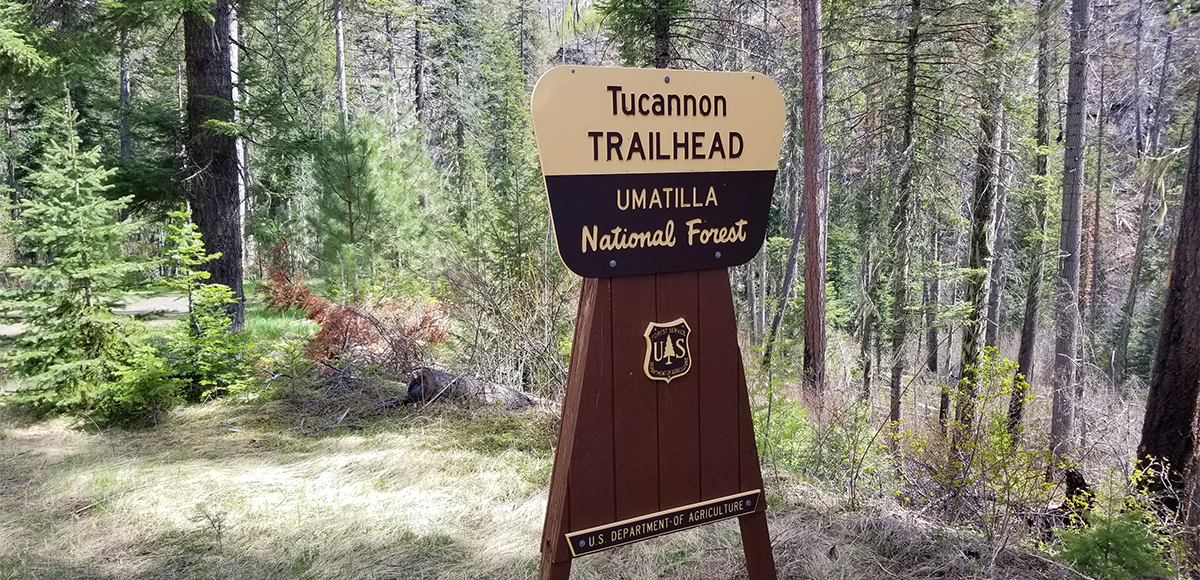
Take HWY 12 east 31 miles to Dayton, WA. Pass through town, and as the road makes a sharp left out of town, turn right onto Patit Road. Patit Road runs roughly 14 miles and ends at Hartsock Grade Road. Take a left at Hartsock Grade Road. Drive another three miles to meet Tucannon Road, and take a right. The pavement ends at the Tucannon Campground but continues as gravel forest road NF-46 for another four miles. At this point, the road splits. Veer left onto NF-4712 for five miles, climbing up the hillside past Ladybug Campground and ending at the Tucannon Trailhead.
If winter comes early or hangs around late, this route may be closed. There is a flashing sign at the Patit Road turn off that lets you know if the road is open or closed. In case this route is closed, continue on HWY 12 for 13 more miles and take a right onto Tucannon Road just after crossing the Tucannon River bridge. Follow for roughly 32 miles and veer left at the fork to take NF-4712 the remaining five miles to the road’s end.
Please do not solely rely on Google Maps as their route might not always reflect what is maintained.
map
TRAILHEADS
LOWER TRAILHEAD
UPPER TRAILHEAD
DOWNLOAD GUIDE PDF
DOWNLOAD GUIDE PDF
ADDTIONAL INFORMATION
Tucannon Trail Gallery
CHECKOUT MORE OF THE SITE
Activity
ACTIVITY
DISTANCE